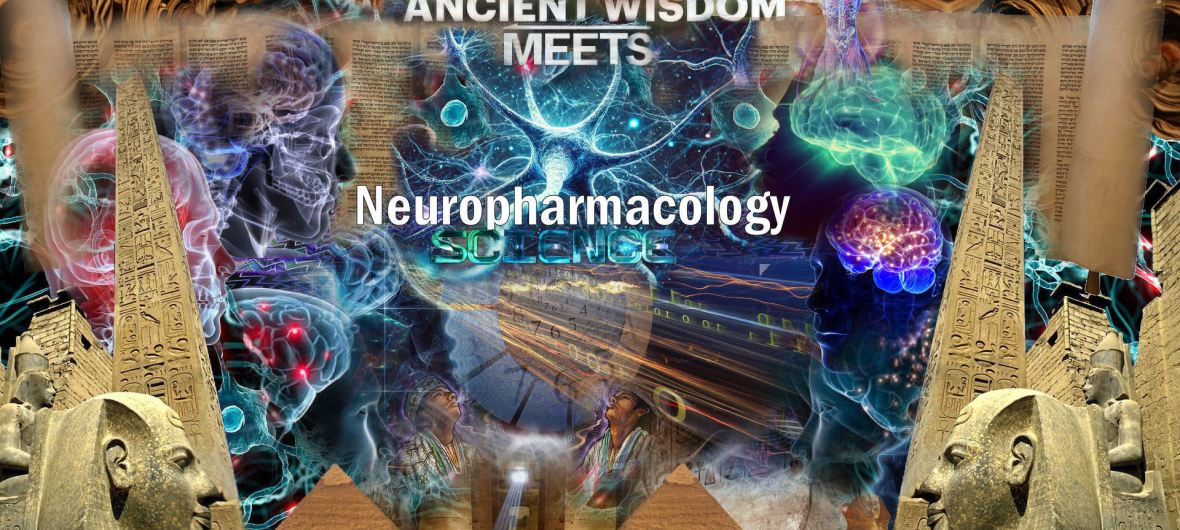
Beta-Carbolines: Neurogenesis, Anti-Alzheimer’s, Anti-Cancer, restored cellular proliferation, Antidepressant, Enhancing CNS function, Psychedelic
Content from this document without reference to psychedelics, focused strictly on Neuropharmacology: http://SyrianRue.org/Neuro
Copyright: ©2025 Brian Aberle. (9 Jan 2026) This is an open access article distributed under the terms of the Creative Commons Attribution License, which permits unrestricted use, distribution, and reproduction in any medium, provided the original author and source are credited.
Download this page in PDF:
[Abstract]
Beta Carbolines stimulate the CNS protecting against conditions of neurodegeneration and impacting the cellular proliferation cycle acting as protein kinase inhibitors causing the production of needed cells and inhibition of cancerous and mutant cell propagation which occurs due to dysfunction in the neural system corrected by beta carbolines. Beta Carbolines inhibit DYRK1A, MAO, and AChE. They enhance GABAA receptor responses and astrocytic function, supporting neuronal survival and synaptic plasticity. This study reviews established findings, use in antiquity, then documents observations from use in practice. Additionally, it investigates the interactive effects of beta carbolines when combined with neurotransmitters of known psychedelic activity which are more effective due to MAO inhibited delayed metabolism and other factors.
Peganum Harmala, called Syrian Rue, contains harmine and other beta carbolines. Seeds from Peganum Harmala provided the whole spectrum of beta carbolines used in this study. Practical dietary requirements are discussed. This investigation concludes to show that serious adverse dietary or drug interaction is uncommon and preventable allowing for regular use of beta carbolines to prevent neurodegeneration, cancer, and osteoporosis. Increased or restored neural function has wide-ranging applications in medicine. As an inhibitor of DYRK1A it promotes human beta cell production and shows potential to accompany stem cell treatments. In vitro studies are only suggestive preclinical evidence of the neuropharmacological effects however the results suggest numerous applications in medicine including treating Type 2 diabetes because of increased beta cell production. It also increases effectiveness of psychedelic therapy using psilocin or DMT. The first clinical human studies to determine dose and safety were published in 2025.( NCT05162686 and NCT05526430 ).
[Introduction]
Beta-carbolines act as potent modulators of brain chemistry and astrocytic activity stimulating neurotrophic signaling which support neuronal survival and synaptic plasticity. They enhance GABAA receptor responses which in turn which can lead to neurogenesis. They promote remyelination, synaptic protein restoration, and nerve health while elevating monoamine neurotransmitter levels. At low doses leading to enhanced CNS function. At high doses beta carbolines are neurotoxic and produce mild to extreme nausea.
Here is laid out all the known traits of this plant in medicine followed by different medicinal fields of study which intersect at the beta carboline.
Antibacterial, antiprotozoal(kills free living and parasitic protozoal organisms), antimutagenic/ antigenotoxic/genoprotective(1. Moura et al., 2007), preventative of DNA damage(2. Senhaji et al.,2022), antimicrobial, antifungal, antiviral, antioxidant, anti-inflammatory, antidepressant, antipiroplasmic(kills piroplasmic parasite), anthelmintic(kills tapeworms), antiseptic, antipyretic(reduces fever), antitumor(3. Dai et al., 2012), anticancer and antidiabetic for Type 2 diabetes(4. Wang et al., 2023). Insulin-signaling dysregulation was ameliorated, and GLP-1 levels elevated after the administration of Peganum harmala seed extract for 4 weeks.(5. Saleh et al.,2021) Multiple studies have confirmed these qualities.(6. Sharma et al., 2022; 7. Moloudizargari et al., 2013; 8. Sharifi-Rad et al., 2021) One study found harmine to be more effective than stem cell treatments for pancreatic beta cell production.(9. Rosselot et al, 2024)
The beta-carbolines in Peganum Harmala have been proven to be medicinally helpful for:
leukemia(10. Zaker et al., 2007), lower urinary tract symptoms(11. Saeidi et al., 2015), dermatoses(12. El-Rifaie, 1980), bronchitis and asthma(13. Liu et al., 2015), influenza(14. Moradi et al., 2017) and leishmaniasis(15. Rahimi-Moghaddam et al., 2011) which is a wide array of clinical manifestations caused by parasites of the Trypanosomatida genus. Harmine is also a vasodilator/vasorelaxant(16. Shi et al., 2000), aphrodisiac(17. Subhan et al., 1998; 18. Enema et al., 2018) and cognition enhancing(19. Santos & Hallak, 2017; 20. Shu-Ping et al. 2018) as an Acetylcholinesterase inhibitor(AChEi)(21. Adhami et al., 2011) and butyrylcholinesterase inhibitor(BChEi)(22. Zhao et al.,2013) Harmine also induces osteogenesis(bone regrowth) and prevents bone loss by suppressing osteoclastogenesis (23. Yonezawa et al., 2011; 24. Patel et al., 2012; 25. Chen et al., 2020) and promotes neurogenesis(the birth of a neuron in brain growth or repair) (26. de la Fuente Revenga et al., 2015; 27. Morales-García et al., 2017; 28. da Cruz et al., 2023) and is restoring astrocytic functions(29. Li et al., 2011; 30. Liu et al., 2017) upregulating astroglial glutamate transporters removing excess glutamate from the synaptic space protecting neurons and preventing excessive intracellular calcium which accumulates in mitochondria and triggers cellular death.(31. Eunhee Kim et al. 2021; 32. Gielecinska et al.,2024) Reducing glutamate is a thereputic aim in treating epilepsy. Excess glutamate contributes to neurodegenerative disease.(33. Todd & Hardington,2020; 34. Verkhratsky et al.,2023) Harmine is also an inhibitor of cyclin dependent kinases(CDK), protein kinase DYRK1A(35. Göckler et al., 2009; 36. Frost et al., 2011) and others which are key regulators of the cell proliferation cycle(37.Song et al., 2002; 38. Song et al., 2004). CDK inhibitors are also past and future in cancer treatment.(39. Asghar et al., 2015; 40. Ahmad et al., 2020) It is also an MAO inhibitor.(41. Herraiz et al., 2010; 42. Herraiz & Guillén, 2018) Harmine has been shown to reduce anxiety by inhibition of neuroinflammation.(43. Zheng et al, 2023)
[Cancer]
As confirmed in recent research, the beta carbolines in Peganum Harmala show anticancer activity. Numerous types of cancerous cell growth are inhibited, including breast cancer(44. Ding et al., 2019), pancreatic cancer(45. Wu et al., 2019), ovarian cancer(46. Gao et al., 2017), gastric cancer(47. Li et al., 2017) and others. In fact, most beta-carbolines exhibit anticancer effect can augment cancer treatment solutions being used. Beta-carbolines, particularly harmine and harmol, exhibit promising anticancer properties by inducing apoptosis and inhibiting proliferation in various cancer cell lines.
Beta-carbolines induce neuroendocrine response, restore central nervous system cellular function(5. Saleh et al., 2021), and protect against oxidative damage of brain mitochondria and synaptosomes(48. Kim et al., 2001) suggesting protection against neurodegeneration.
[Alzheimer’s]
The spectrum of Beta Carbolines in Peganum Harmala inhibit acetylcholinesterase, thereby reducing acetylcholine metabolism. Alzheimer’s patients are given AChEi’s(acetylcholinesterase inhibitors), to raise acetylcholine levels with more potent effect than Peganum Harmala.(49. Ibach & Haen, 2004; 50. Galimberti & Scarpini, 2016) Acetylcholine is the substance of focus in memory supplements.(51. Hasselmo, 2006) Peganum Harmala is an AChEi which increases the levels of the neurotransmitter acetylcholine by reducing the metabolism rate of acetylcholine.(52. Yang et al., 2015) Acetylcholine is responsible for its role in memory recall and for its cognitive enhancing effects. It also is used the dream state of the mind. Acetylcholinesterase(AChE) is closely related to Butyryl Cholinesterase(BChE). Peganum Harmala is also a proven BChE inhibitor as well.(53. Tundis et al., 2016) Additionally, recent knowledge collectively recognizes that MAO inhibitors have proven as effective therapeutic agents for the treatment of Alzheimer’s disease.(54. Manzoor & Hoda, 2020) Furthermore, Beta-carbolines such as harmine, harmol, norharmane, harmaline have a high affinity for DYRK1A and modulate multiple sites on the Tau protein(55. Frost et al., 2011) by Inhibiting DYRK1A mediated Tau phosphorylation reducing neurofibrillary tangles which are the identifying marker of Alzheimers disease. It is preventative to neurodegeneration and promotes neural health.
[Neurotoxicity and Adverse Drug Interactions]
All reference studies previously cited are dose dependent. Beta-Carbolines are helpful in small amounts and harmful in large amounts.
The beta carbolines from Banisteriopsis Caapi or Peganum Harmala combined with the antidepressant Prozac causes serotonin syndrome which has resulted in death in some cases.(56. Edinoff et al., 2021) It is considered unsafe during pregnancy because very large doses become toxic and will abort a human fetus.
Microdosing will safely reveal individual sensitivity. One or two breaths of smoke will safely reveal if eating Peganum Harmala will be a bad idea. Smoke rarely can cause nausea and only for a brief time. Eating it would be far worse in that case. Peganum Harmala is a Reversible MAOI, so it has fewer and less extreme reactions with medicine or food containing tyramine than a synthetic irreversible MAOI. A multivitamin containing fermented soy as an ingredient in an otherwise compatible diet can cause several hours of extreme nausea and vomiting. Some aged and smoked meats will be nauseating depending on the food processing methods. Fresh is always best due to tyramine from aged or damaged food being the primary cause of dietary incompatibility.
[Full Spectrum Alkaloids]
The alkaloids of Peganum Harmala seed are approximately 4-10% of the weight of the seed found in the brown skin of the seed, whereas the alkaloids of Banisteriopsis Caapi vine are only a fraction of 1% of the total weight of the vine found throughout the woody vine. Only those
Following are the most well-known, first discovered, and most largely present constituents:
The Beta-carboline alkaloids: harmine ( initially known as – telepathine, yageine, banisterine), isoharmine, acetylnorharmine, norharmine, harmaline(aka dihydroharmine, DHH, harmidine), harmalol, harman(57. Pulpati et al., 2008), harmalacidine(HMC)(58. Wang et al., 2018), harmalidine and tetrahydroharmine(THH, leptaflorine)(59. Herraiz et al., 2010), isopeganine(60. Asgarpanah & Ramezanloo, 2012), pegamine, dipeginol, dipegene(61. Faskhutdinov et al., 2000)
The Quinazoline alkaloids: desoxypeganine, deoxyvasicine (deoxypeganine), vasicine (peganine), vasicinone, peganidine, isopeganidine, dipegine
[Classifying the alkaloids]
Of the 160 known alkaloids found throughout the plant, beta-carbolines and their derivatives including the tetra-hydro-beta-carbolines (THBC) total approximately 60 of them. A sizable portion of the 100 remaining are pyrrolo-quinazoline alkaloids. In addition to their parent pyrroloquinazolines and quinazolines, exists a series of quinazoline glycosides also referred to as the glycoalkaloids.
The complete list of all 160 known alkaloids in Peganum Harmala was published in 2023 (62. Anstis et al., 2023), collectively presenting numerous recent discoveries about the known alkaloid contents. The molecular composition is being studied by the most cutting-edge techniques. Beyond chromatography and high performance liquid chromatography (HPLC), the newly discovered alkaloids structures, including stereochemistry, were elucidated through spectroscopic analyses, quantum chemistry calculations, and single-crystal X-ray diffraction in 2017 growing the list of known alkaloids found in Peganum Harmala in the past recent years.(63. Wang et al., 2018)
[Ayahuasca]
Peganum Harmala is often called “an amplifier” of entheogens. It has a synergistic effect with the 5HT neurotransmitters Psilocin, DMT, Bufotenine, and Mescaline caused by MAO enzyme inhibition delaying the metabolic process. Banisteriopsis caapi has the same primary alkaloids which are most abundant and therefore has mostly the same effect. Both plants can be used to make Ayahuasca. Peganum Harmala grows in arid desert conditions. Banisteriopsis caapi grows in the jungle as a vine. They contain the same primary alkaloids and are therefore both used for the purpose of creating Ayahuasca.
[Soma-Ayahuasca]
Peganum Harmala is most common in India, Algeria, Turkey, Iran, and Morocco where it is referred to as Harmel. There has been much debate about what the Soma Plant or Soma brew is that is mentioned in ancient Sanskrit texts and there is evidence suggestive that the plant could be Peganum Harmala.(64. Flattery & Schwartz, 1989) Zoroaster called it Haoma in the Avista Veda where it’s considered the plant of life. It was called Soma by Brahma-manu in the Rig Veda. Peganum Harmala was found in Neolithic sites of the Caucasus from 5000 B.C. and in a pre-Dynastic Egyptian site dating back to 3700–3500 BC.(65. Samorini, 2019) Through metabolic profiling of organic residues recovered from archeological artifacts it has been proven that Peganum Harmala was used for fumigation in Iron Age Arabia.(66. Huber et al., 2025)
Ayahuasca traditionally contains Banisteriopsis Caapi and Chacruna(Psychotria viridus). It is probable that “soma” was a term like “ayahuasca” where Peganum Harmala is used in place of Caapi in those dry regions. In Sanskrit, “soma” refers to a ritual drink. In Greek, the word “Soma” means “Whole Body” and this plant does have a whole-body effect.
[Peganum Harmala in Islam]
Peganum Harmala is known as Espand/Esfand in the Muslim community and is more culturally significant. It is mentioned in hadith literature to be consumed in a drink and in another place that burning the seeds is pleasing to the Jinn or angels and protects a person from “The Evil Eye” and that “God has appointed Angels over the plant”, and in the Sahi’i medical collections of the 15th century it is written:
“Whoever for 40 days, eats 1 mesghal (4.64 grams) harmala mixed in water in every morning, the light of wisdom will turn on in his\her heart and he\she will be immune from 72 diseases that the least of them is leprosy.”
[Happiness]
Serotonin is a key neurotransmitter implicated in mood regulation and happiness. Increasing serotonin levels is the object of pharmaceutical antidepressants. Natural solutions for raising serotonin levels have also been established.(67. Young, 2007). Peganum Harmala, used solely for the purpose of an antidepressant has been the study focus of many research teams, and found to be effective,(42. Herraiz & Guillén, 2018) primarily by inhibition of the MAO Enzyme.
[Antidepressants]
The global antidepressants market size is approximately $20 billion USD in 2025. Recent data reveals a dramatic social increase in long-term prescriptions of antidepressants (68. Luo et al, 2020; 69. Mojtabai & Olfson, 2014).
MAOIs are medicine that inhibit MAO enzymes. Irreversible MAOIs are synthetic and not plant alkaloids. They are unnatural and far stronger than the reversible and natural MAOI. They covalently bond to MAO which permanently destroy it. Although once popular in medicine, today synthetic MAOIs are only used as a last resort for prescription antidepressants. During the 1950’s, when synthetic MAOI antidepressants were first discovered, clinicians noted that they caused “inappropriate laughter”. Over the years there were many deaths and near deaths as the full purpose and understanding of the MAO enzyme was only being first discovered. Variations of reuptake inhibitors became preferred antidepressant prescriptions for safety reasons and the MAOI earned a reputation as dangerous.
Now in 2026 the vastness of dietary and medicinal interactions documented in medical journals is mostly in reference to synthetic irreversible MAOIs and either does not apply to Peganum Harmala or it does apply to a far less degree. Peganum Harmala is a reversible MAOI which means that the beta carboline alkaloids have temporarily bonded, not covalently bonded to the MAO enzyme. Reversible natural MAOIs are much safer than synthetic irreversible MAOIs but rarely are the two types of MAOI differentiated by modern medical literature with warnings. Interaction risks with high-tyramine foods or with serotonergic drugs is possible but relatively uncommon in naturalistic and clinical settings.(70. Guimarães dos Santos & Hallak, 2025) Neurogenesis is now a recognized approach to antidepressant medication(71. Pascual-Brazo et al., 2014; 72. Rotheneichner et al., 2014) as more ideal solution than the currently popular reuptake inhibitors.
[Widescale misinformation]
At popular information sources such as WebMD, Drugs.com, and RxList in 2025 is published “Syrian Rue causes hallucinations” which is very misleading. Using 2 to 5g, with no other co-ingested visionary plants, Peganum Harmala will not cause any visions or hallucinations. 2g is minimally sufficient to provide medicinal action, any more than 4-5g of seeds by itself will cause nausea, not visions or hallucinations. Those information sources are incorrect, and the false information leads many away for fear of hallucinating.
[Materials and Methods]
Peganum Harmala seed was acquired online in bulk for $45 per kilogram. In the United States it is unregulated and not considered a controlled substance so it was freely given to many people who showed interest and provided experience feedback. Swallowing whole seeds with a glass of water is effective. Water based extracts are effective. Using a Food processor and a fine screen colander the brown skin of the seed can be separated from the white pit to capsule the powder which is also effective. All these methods use the full spectrum of alkaloids supplied by the seed as opposed to a select isolated beta-carboline alkaloid derived from synthesis or alkaloid isolations.
Inhalation of beta carbolines was the primary route of administration with vapor DMT due to the rapid onset. Also, regular inhalation of smoke multiple times per day was investigated. Various kinds of pipes were used. An issue being that almost half of the alkaloids melt and run eventually to clog a pipe or into the mouth. A pipe was devised to catch the oils so they can be smoked however all smoking devices were functional. Smoking only the brown skin of the seed and disposing of the pit increases quality.
DMT was obtained by straight to base naphtha extraction from Mimosa Hostillis rootbark. Purity was refined by redissolving and reprecipitating multiple times with naphtha. Isolation was achieved by freeze precipitation in a tall column resulting in DMT at the top and DMT-N-Oxide/NMT and other alkaloids at the bottom. The individual alkaloid isolations were tested, and it was determined that the combined whole spectrum produced the best effect. Various combinations and doses were tested. Wherever DMT is mentioned in this research, it implies the total alkaloid content from Mimosa Hostillis rootbark of which DMT is the majority.
[Complex Ayahuasca Brews]
Many practitioners and shaman debate if Peyote belongs in the brew, with mushrooms, chaliponga and chacruna at the same time however they are all equals from a certain metabolic perspective. A total alkaloid content of 80mg DMT with an MAOI can be a powerful experience. In practice, (40mg DMT with 1.5g mushrooms) or (60mgDMT with 1g mushrooms) and the MAOI was well received as a first round dose with an optional second serving sometime after feeling the effects. To a group of people who had all experienced Ayahuasca from multiple sources, an edible with the first two doses combined was served. Each participant within this group with prior experience was allowed to consume it as 1 portion producing more intense effect for those seeking it or as 2 portions which made everyone comfortable with the timing and the dose as their own decision leading to a great experience for everyone.
Mixing all natural MAOIs in proper proportions is also good practice. Use either Banisteriopsis Caapi or Peganum Harmala but not both unless they are both portioned to ½ because they share the same primary alkaloids which cause nausea and toxicity in excess. Proportions of each element in the brew will prove to be key. The science can steer us towards logical and illogical combinations.
Peganum Harmala has a good interaction with noribogaine which is the metabolite of ibogaine from iboga root bark. Noribogaine stays bound to neural receptors for days or weeks after using iboga. While the metabolite noribogaine remains active, the effects of Peganum Harmala are amplified so that 1 or 2g of Peganum Harmala seed alone has a comfortable effect. DO NOT mix Peganum Harmala directly with iboga or ibogaine, before the noribogaine metabolite is in action the combination is dangerous. Using Peganum Harmala or an ayahuasca mixture a few days following the use of iboga is very good. In this case, timing is key. Iboga never belongs in an Ayahuasca brew. Another consideration about iboga, although some noribogaine makes Peganum Harmala better, too much could be a problem. Frequent iboga use causes a buildup of noribogaine which is known to have caused check-ins at mental hospitals, unlike frequent use of Peganum Harmala or Ayahuasca.
Although 5MeO-DMT is present in trace amounts <1% in chaliponga and yopo which mix well, those provide very small amounts of 5MeO-DMT. Most experience reports mixing 5MeO-DMT with an MAOI are difficult and advise against it. It should not be added to Ayahuasca although it exists as a natural analog to DMT.
Datura or Angel Trumpet is a deliriant that causes confusion, amnesia, and hallucinations as opposed to visions. For example, a hallucination of a chair that does not exist causes a person to fall and get hurt. I know firsthand nightmare testimonies about the use of Datura which has left a few victims in a permanent state of psychosis although most recover within days or weeks. Datura should never be added to Ayahuasca.
[Combining neurotransmitters]
Peganum Harmala is exceptional amid entheogenic plants because it interacts with many other plants causing them to produce a greater effect than using either plant individually. Since the MAO enzyme became bound to alkaloids in the rue, the neurotransmitters remain in effect longer from most other entheogenic plants. Users commonly report profound subjective experiences, epiphanies, self-realizations, and personal transformations from the use of DMT, mushrooms, or peyote individually.(73. Carhart-Harris & Goodwin, 2017) Even more so when those plants/neurotransmitters are used in conjunction with Peganum Harmala to enhance therapeutic potential.
[Mushrooms]
Psilocin is a natural analog of DMT. It has a Hydrogen and Oxygen in the 4 position of the DMT base molecular structure. Psilocin (4‑HO‑DMT) is partially metabolized by MAO. The combination of mushrooms and Peganum Harmala is commonly called Psilohausca. Mushrooms are being used to treat depression and anxiety with abundant accumulating evidence of therapeutic success.(74. Carhart-Harris, 2016; 75. Griffiths et al., 2016; 76. Hakami Zanjani et al., 2023; 77. Goodwin et al., 2025). Peganum Harmala prolongs the mushrooms effect and acts as an MAOI antidepressant preserving serotonin. When combined with a high dose of psilocin it can cause increased and even uncontrollable laughter all the way to an unimaginable degree, Holy Laughter for need of a term. High dose psilocin has proven to be long term helpful with deep personal growth.(78. MacLean et al., 2011) Peganum Harmala should be strongly considered in clinical settings when appropriate. With any sized dose, the psilocin experience is not only longer its better with Peganum Harmala so long as the diet has been compatible and there are no adverse medication reactions. Peganum Harmala compliments many prescription medicines and can be approached safely before fully engaging with it. Clinical trial data for MAOI and psilocin combinations is limited. User experience reports provide evidence of safety and therapeutic effectiveness.
[Yopo]
Consider the alkaloids which are neurotransmitters in Yopo snuff. The primary alkaloid in Anadenanthera Peregrina is bufotenine another natural analog of DMT with the hydrogen and oxygen in the 5 position. Bufotenin is (5-HO-DMT). Yopo snuff also contains trace amounts (DMT) and (5-MeO-DMT) (79. Torres & Repke, 2012). These neurotransmitter alkaloids are all metabolized by MAO. The Piaroa natives of southern Venezuela use both Anadenanthera Peregrina seeds and Banisteriopsis Caapi in their snuff preparations and chewed the Caapi vine beforehand.(80. Rodd, 2002) They use the white ash from trees to activate their snuff at a ratio of 1:1.
Peganum Harmala adds a calm and grounding effect that enhances and stabilizes as well as lengthens the effect of these neurotransmitters. It makes for a longer and smoother experience. The effect of Yopo when combined with an MAOI is better.
A shaman who learned from his grandfather in Puerto Rico prepared Yopo for me from a local tree using the white ash remains of a burnt conch seashell used to activate the snuff and served it after service of Ayahuasca. Alternatively, calcium hydroxide can be used to activate it with 2 or 3 parts seed to 1 part calcium hydroxide rigorously mixed. The traditional combination of Yopo within an ayahuasca ceremony causes the snuff to become more effective because the MAOI is in action. The combo is ancient practice using Caapi in some regions.
Peganum Harmala is a little simpler to work with than Banisteriopsis Caapi because you can eat 2-5g of seeds compared to boiling down 20 to 50g of vine. Caapi extracts can be smoked by drying the concentrate onto smoking material however smoking Peganum Harmala is easier. Smoke is immediately effective in 2 large breaths of Peganum Harmala seed skins. It is calming and relaxing. For the absolute best effect, eat the Peganum Harmala then wait 40 minutes then smoke the Peganum Harmala before applying the neurotransmitters.
[Peyote and San Pedro and Peruvian Torch]
Alexander Shulgin documented that the MAO enzyme inhibition using Peganum Harmala lowers the threshold dose of mescaline to be half that of normal.(81. Shulgin, 1991) The MAO inhibition operates on phenethylamines equally as with the tryptamines like DMT and serotonin. All being neurotransmitters that Peganum Harmala preserves in the body and protects from an otherwise more rapid metabolism and elimination from the body.
[Smoking DMT]
Clinical potential of DMT and Vapor DMT has been established.(82. Falchi-Carvalho et al., 2025; 83. Colosimo et al., 2025) Ideally the DMT is vaporized as opposed to smoking it because burnt DMT has a smell that is very strange and somewhat unappealing. The vapor is odorless. DMT can be put between layers of marijuana or smoking material in a pipe, it will work, it will also smell unusual. That pipe will be dedicated for smoking DMT due to the lasting smell of the pipe.
For the best effect, eat the Peganum Harmala then wait 40 minutes, then smoke the rue followed by the DMT. The effect is more like Ayahuasca. Ayahuasca is effective for treatment resistant depression.(84. Palhano-Fontes et al., 2019) Vapor DMT served from a coil vape pen designed for wax is stronger than from an oil vape pen. Both have no odor. DMT has a melting point of approximately 112 ⁰F(44.4⁰C). It is normally a solid and must be diluted to work in an oil vape pen. Each type of vapor device has a place and time. With a strong dose from a wax vape pen, require that no spectators break silence to the person having the experience and encourage the experiencer also to refrain from speaking although that is rarely necessary – this is an example of a concept called “holding space” and providing a proper setting. Conversation about the mundane is out of place and distracts from a more important awareness that could become the focus. Mixing DMT with alcohol can cause problems. One person went in front if a beautiful goddess who said, “I’m not talking to you when you’ve been drinking”, then left him in a dark place.
Peganum Harmala makes the experience “better” and “more navigable” according to many with “an afterglow”. My analogy is that using Peganum Harmala in that way is “putting on a parachute before getting into the cannon”. The effect of Peganum Harmala can be described many ways. The term “amplifier” is misleading. Many people are not wanting to “amplify” their DMT experience and the term causes some to shy away from combining Peganum Harmala when it would have given them more navigation ability and a better experience assimilation, integration, and recall.
[Combining MAOIs]
Peganum Harmala mixes with other MAOIs like passionflower. Also, turmeric which only becomes effective with crushed black pepper to improve the absorbance of the curcumin in the turmeric. The combination of turmeric and pepper is known as Golden Milk and originates in Ayurveda. These MAOIs have a different bonding affinity to the MAO enzyme and mix well. They have a noticeable effect when combined to mushrooms and can operate independently or enhance the stronger Peganum Harmala. Only the addition of Caapi requires reducing the amount of Peganum Harmala – because it contains the same alkaloids.
4-5 grams of Peganum Harmala seed is approximately equal to 50g of caapi vine, use one or the other or half of each. A full dose of both is too much and guarantees nausea. This is the strongest natural MAOI.
Golden Milk based on 1 almost heaping tablespoon of turmeric + ½ teaspoon crushed black pepper as one dose, 2 to 3 doses is safe. It is a thick mixture and difficult to ingest a more than 1 dose.
Tea from Passionflower vine at about 2 feet per serving is weak compared to Peganum Harmala however its strong enough that by itself as the only MAOI it will make a noticeable enhancement to mushrooms. By itself it’s not strong enough to activate DMT, however it will enhance Ayahuasca. 2 to 3 doses are safe, 1 is enough.
Tobacco also contains beta-carbolines which act as an MAOI. Multiple studies have confirmed that only smoke inhalation provides measurable MAOI effect so although snuff is popular with Ayahuasca and does provide a mental clearing, the smoke creates the better MAOI effect. Nicotiana Rustica provides the strongest MAOI however too much Nicotiana Rustica smoke quickly causes nausea and dizziness, so it has a high potential to cause problems when used as an MAOI with Ayahuasca. Standard pipe tobacco is the next most effective as an MAOI. Processed commercial cigarettes do provide some MAOI activity but effectiveness varies widely. It is toxic as secondhand smoke so should be avoided in groups that do not all smoke them. Pipe tobacco, and tobacco in general is a plant that can have place in Ayahuasca.
[Smoke]
Smoking Peganum Harmala seed has a mild and comfortable effect that differs from the effect of eating it. All the alkaloids of interest exist on the brown skin on the seed. They melt and vaporize in heat. The seeds are prone to absorbing moisture as humidity, they should be fully dry with very low oven heat, if necessary, before smoking. A cigar torch lighter works best. Seed can be smoked in a pipe. Load a very small bowl. After one large breath, the charred and half burnt seeds should then be discarded rather than burning them further and reducing them to white ash. Two good breaths will provide MAOI effect. The quality of the smoke is enhanced by discarding partly burned seed and not smoking the pit which contains no medicine.
[Service Procedures]
Peganum Harmala has been included in many ceremonies throughout history involving various other special plants considered to be sacraments by people who hold them with exceptional regard. Some people will use Peganum Harmala without any other plants then go about their day as normal seeking the subtle effects or as medicine to their ailment however when Peganum Harmala is combined with neurotransmitters preparation should be done.
An entheogenic experience combining Peganum Harmala with plant-based neurotransmitters of various sources can be had alone or with a small group of people that have agreed to be together. Ideally a quiet place in nature or to music in an environment clean, orderly, and prepared.
[Sound and Smell]
With some plant medicine mixes sounds become more connected to waves of thoughts, visions, and patterns as if the very sound waves can be seen revealing a beautiful voice or an ugly tone. One person enjoyed quietly humming to himself in an adjoining space. The sound and vibrations made from within differs from hearing sounds produced by others or external sources. There is evidence of music playing a helpful role in psychedelic therapy(85. Timmerman et al., 2018).
Aromatherapy can affect autonomic function and mood. Essential oils and incense can be helpful. Mere inhalation of essential oils has resulted in enhanced emotional wellness, calmness, relaxation or rejuvenation of the human body.(86. Ali et al., 2015) Incense and entheogens were ritual ancient traditions.(87. Dannaway, 2010)
Incense can be merely enjoyed or can help as sounds and smells can make deep subconscious connections to thought or emotions. Multiple essential oils have been proven to affect the central nervous system, affecting blood pressure and neurotransmitter levels. (88. Tanida et al., 2005; 89. Lizarraga-Valderrama, 2021) The depths and magnitudes of the experience depend on the selection of plant sourced neurotransmitters which can be mixed with Peganum Harmala and MAOIs, not the incense. Incense does matter for a mysterious reason. For a special journey make special preparation.
[Exploring The Self]
Deep and personal transformations are reported by many people from the effects of Peganum Harmala combined with other entheogenic plants. New awareness can be momentary or lasting. A new perspective of the self can sometimes be realized and the forces within that control self can be confronted. Your own patterns of habit in actions, speech, reactions, or thought can sometimes be observed from new perspective as well as recognizing your connection to living trees and plants and living things. DMT exists in all living things and somehow raises the awareness of life. DMT is a special molecule because it exists in all living things. Trace amounts of DMT are found in most plants and all animals. A recalibration of self by remembrance of relation to life is common.
[Group experience]
Set, setting and group dynamics influence psychedelic outcomes. The overlapping of energy of a group exists. Every medicine mix and group are different so what is a good idea in one case is not in another. If the music is troubling one person, then for that person have the group experience the journey in silence. There are times that conversation between others is fine however there must be a quiet place of escape for meditation.
When serving Ayahuasca brews, it is best to give everyone a space they can retreat to, commonly it is a yoga mat positioned in a circle relative to the others. Some facilitators require everyone to remain or mostly remain in their space. Other facilitators allow more interaction, especially on the longer journeys and with smaller circles however everyone should still be able to retreat to solitude and remain present either near to or adjoining the group.
Ayahuasca can be served as a single dose, or multiple doses of teas or edibles. The duration can be as short as 1.5 or 2hrs from a single dose or 12+ hours from a single dose. A series of smaller doses is best for people less familiar with the medicine. One large dose can be more therapeutic. The body never builds tolerance to DMT so it will be equally as effective in 3 hours however psilocin does so a multi-dose service procedure with psilocin has diminishing effect. After the journey has passed the peak of the experience and everyone is feeling stable amid the fractal symmetry and kaleidoscope geometry very much still in effect, the facilitator might consider allowing each participant to hold their own DMT vape pen. That practice has been very well received in the situations I was able to witness it. It is likened to serving Yopo on the tail end of Ayahuasca to utilize the benefit of the MAOI still in action. The effect blends smoothly.
The wisdom in opening a journey circle with stated intentions or prayer is because that separates the journey time as a special time through deeper consciousness as a time apart from the ordinary. This is because 3 people can eat the same thing and only 1 finds a lasting growth from it. Expectations effect outcomes. Go around the circle prior to the ceremony with stated personal intentions then go around again afterwards to share any profound experiences with the group. Sharing at the end is often beyond words or must be processed more before spoken about so nobody is required to speak afterwards. The experience sharing at closing is insightful to everyone to see how much the same or how much different it was for others. In sharing at the end, we all learn.
[Results and Discussion]
The investigation regarding regular use of the beta carbolines provided by 2 to 5 grams of Peganum Harmala seed worked out general dietary guidelines with some trial and error producing a strong takeaway that fresh food is generally safe and packaged food less so. Broth flavorings make an otherwise good plate of food incompatible with Peganum Harmala. The perceivable effect of 1 or 2 doses per day is subtle as the medicine works to do all that it does at the neurological level. A few people mentioned that things appear slightly brighter although the subtle effect at the cellular level and in metabolism of endogenous neurotransmitters is difficult to notice. Smoke inhalation provides an immediate mild effect that is more perceivable and much shorter lasting in duration. For regular use, two serving of 2.5g is preferrable over 5g to most people. Large dose effects last 12 hours or more.
The investigation of the psychological effects produced from vapor DMT and ayahuasca brews made with DMT based combinations also produced a few takeaways for harm reduction:
[Exploring consciousness]
I have seen only a few journeys that become extremely difficult amid countless that experience beautiful visions and perceptions which leave a lasting positive psychological impact . In the same manner that individual psychological makeup reacts to trauma in life, psychological makeup also has a lasting reaction to profound and positive experiences. DMT and other psychedelics are linked to a reduced fear of death by numerous studies. There is a frequent commonality in reporting a sense of connectivity to trees and plants and in conversing between themselves and other life without audible spoken words. A nature setting is ideal. Everyone sees sacred geometry, a beautiful fractal patterning which changes from medicine to medicine and with dose.
Do not allow a person to be pushed into experiencing these medicines if they are afraid. In one difficult case spouse pressured their partner and in another it was friends in the group who finally convinced someone who had been reluctant for some time. Do not push people beyond an open invitation. Expectations effect outcomes. When fear is a prevailing thought it manifests an experience that can disrupt not only the individual but the group.
[Difficult Experiences]
The bulk of my own personal experience as a facilitator is with service of vapor DMT that began in 2015 and lasted for a few years. In my own facilitations less than 1 per 100 were difficult experiences. Although a nature setting is ideal, one person from Australia met me in Oakland California at a Psychedelic Science convention and our only chance together was in the moment in a corner near a busy hallway full of people. I recommended eyes closed and 3 deep breaths of air slowly exhaled first. She had a beautiful experience that had been sought after for many years. Set and setting is mostly mindset when serving vapor DMT. Mindset can be perceived and influenced by the facilitator. A little anxiety before the first experience is normal. Sometimes a simple reminder that everything is OK delivers the reassurance to relax into the experience although communication between the facilitator and the person experiencing vapor DMT is not normally helpful until after the experience. Deep breathing is proven to lower blood pressure, raise blood oxygen levels and add clarity to thoughts. 2 or 3 deep breaths first is a helpful factor when working with vapor DMT. The most difficult experience I ever witnessed was in the comfort of a quiet home. It was a quiet eyes closed event. When his eyes opened, he ordered everyone to leave – and we did. Some months later he spoke about the difficult experience he had.
I have far less experience serving orally consumed DMT/Psilocin/MAOI mixtures to groups. Those last much longer were all conducted in private home settings. Moments of mild difficulty that can be personally managed in quiet calmness can be a small portion of a long, good experience. One person broke free from a recurring dream of many years with much difficulty and another relived an unnecessary killing during time of war in exquisite detail meeting family of the deceased to hear the hopes and dreams that were extinguished in the killing. A traumatic psychedelic memory will never be forgotten but they have purpose in our personal growth or to ease passing into the afterlife.
Depths of consciousness unimaginable can be realized and eternity can exist in a moment. One man on a far less difficult journey heard the voices of family he was estranged from and counseling about how to interpret the voices relaxed him. Another facilitator had offered him milk said to counteract the experience to give him a placebo which offered him no comfort. It is wise to have both a male and a female facilitator and multiple people committed to help because an issue may arise requiring one or the other. In most groups, nobody has a difficult journey – so don’t allow knowing about them to intimidate you from good medicine. Difficult experiences have purpose. Experienced facilitators only exist because they were at one time inexperienced facilitators.
[Thinking from new perspective]
Terrance McKenna claimed that there is a link between human advancements and entheogens. I propose that habitual thought patterns can be identified and altered. Skills of pattern recognition either in sciences or happenings can be aided by mental precepts adopted or abandoned in the past from a consciousness altering experience.
Altered consciousness can be used to intentionally vision or hear a specific solution however we are all at the mercy of experiencing whatever it may be. Letting go and surrendering to the great unknown and gripping only to grace and love channels in a teacher whom you will want to receive from – whatever it is that is on the lesson plan. Entheogenic plant brews can offer you to see or force you to see from different perspectives – or offer you nothing.
Enormous human advancements have been credited to the visionary states associated to altered consciousness. Nobel prize winner Francis Crick attributed the use of psychedelics as a cognitive tool for envisioning the double helix DNA structure. Kary Mullis winning the 1993 Nobel Prize in Chemistry with the polymerase chain reaction technique “used plenty of LSD.” Steve Jobs once stated that experimenting with LSD in the 1960s was “one of the two or three most important things he had done in his life.” Bill Gates admittedly used LSD in his youth. John Cunningham Lilly called the most important figure in the field of electronic brain stimulation extensively experimented with LSD and ketamine. Studies confirm improved pattern perception, and potential cognitive flexibility enhancements from LSD.(90. Carhart-Harris et al., 2016)
[Blockage]
These plant medicine combinations are unusual in the fact that the same sized dose produce different effects depending on physiological state. If your immune system is fighting off a common cold or if the belly or bowel is overly full this can hinder the experience. Additionally, a dietary reaction with the Peganum Harmala or Banisteriopsis Caapi can significantly hinder the experience.
[Creativity]
Numerous studies have made a positive link between entheogens and creativity in problem solving, art, music, and the sciences. (91. Hartogsohn, 2018; 92. Jung & Vartanian, 2018; 93. Girn et al., 2020). Altered states may facilitate new creative ideas or be a wonderful experience of exploration. The artist Alex Grey paints from out of body experience. Following the references section at the end of this document is digital art that I put together and poetry I wrote inspired by plant medicine as evidence of creativity. In the artwork notice neurons interconnecting brains as the shaman exhales a cloud of smoke into a portal of time and space amid scrolls of knowledge in an ancient Egyptian scene of modern science.
[Makes diet matter]
Peganum Harmala by itself is rarely credited for any great personal breakthroughs. In one exception, daily use of only Peganum Harmala after some months of reprise from other unhealthy habits had one person claiming something of a personal transformation giving credit to Peganum Harmala alone. Foods with yeast extract preservatives or MSG cause nausea or digest poorly when mixed with Peganum Harmala, so does beer and wine. Diet and exercise are key to health and happiness – the ancient axiom remains. Peganum Harmala encourages healthy diet and will bring to the surface foods that are incompatible with it.
[Dietary Guidelines]
Certain foods are not good when mixed. For example, beer and milk. You can drink both beer and milk – but not at the same time. Don’t suppose that you must give up beer because you drink milk every morning for breakfast. In a nutshell, this is the Ayahuasca or Peganum Harmala diet:
Avoid aged cheeses such as Parmesan, Chedder, Blue Cheese, Swiss, Gouda, Feta, Brie, Gruyere, and Emmental. Cheeses such as American cheese, Cottage Cheese, and fresh Ricotta are not aged and need not be avoided. Avoid aged, smoked or preserved meat such as Beef Jerky, Pepperoni, Mortadella, Salami, Shrimp paste, Pickled herrings, or salted Cod. Do not eat raw yeast, nutritional yeast, or any preservatives such as MSG which is a Yeast Extract. Do not eat fermented tofu or soy. Fermented soy is found in some vitamin supplements in large amounts.
The substance to avoid is tyramine. Very small amounts of tyramine will not make you nauseous, but large amounts will. Tyramine is poisonous to everyone, but the levels of tolerance to tyramine vary from person to person and from time to time. Peganum Harmala lowers tolerance for tyramine causing greater sensitivity to it. Tyramine is more commonly found in old, mishandled, or damaged food because many food sources contain the beneficial amino acid tyrosine. Tyramine is created by bacteria that decarboxylate the tyrosine into tyramine.
You don’t need to abstain from a dash of cinnamon or from ALL tree nuts to eliminate ALL tyramine from your diet when your body can metabolize a little. Brazil Nuts and hazel nuts are far worse than almonds. Avoid large quantities of spinach, cabbage, tomatoes, Italian flat romano beans(other beans are OK), pineapple, dates, snow peas, avocados, raw onion, eggplants, figs, beets, olives, broccoli, red plums, kim chee, prunes, raspberries, peanuts and peanut butter, Brazil nuts, walnuts, dried coconut flesh, (fresh sweet coconut water is OK), ginseng, licorice, cinnamon, anise, curry powder, most bullion broth cubes and powders, meat tenderizers, dry packaged and canned soups, gravy, sauces, stew mixes, instant soup dry powder bases, Soy and Teriyaki Sauce, hot paprika, nutmeg, brewer’s yeast, fermented soy, beer and wine should be avoided.
Food that digests well with Peganum Harmala: Fresh chicken, eggs, fresh fish, fresh beef, white bread, wheat bread, rye bread, English muffins, crackers, bagels, hot and cold cereal, cream of wheat, rice, cooked dried beans, peas, and lentils, all pasta, apple, banana, mangoes, blueberries, melons, melon blossoms, egg noodles, rice, corn, asparagus, carrots, pumpkin, squash, zucchini, cooked onion, bread fruit, american cheese, ricotta, cottage cheese, cream cheese, eggs, most canned salmon or tuna fish, tuna salad, milk: whole, 2% or skim, salt, chives, sugar, maple syrup, honey, and salad dressing made from olive oil and lemon juice. Baby kale can be cooked or in a salad with hibiscus flowers. Potatoes, sweet potatoes, yams, yucca, and breadfruit are all good. Pistachios, cashews, and almonds are ok in small quantity although they have trace amounts of tyramine. Bananas are good with attention to remove all banana peel strings because they contain tyramine.
[Additional Observations]
Peganum Harmala seed glows extremely bright under a standard UV blacklight, however only when mixed with water. Soak seeds in a glass for a few days, then pour the glass in a slow-moving stream with a blacklight at night to see a long bright fluorescent streak in the water. Caapi also glows. Yellow Caapi glows brighter than Red Caapi, and red glows more than Black Caapi. Urine excreted after metabolizing Rue or Caapi also glows very bright so keep an ultraviolet blacklight handy to check it out. The pure alkaloids glow, however most brightly when wet.
[Interaction with world systems]
Peganum Harmala crosses the line from medicinal into the realm of spiritual, religious, and ritualistic. The fact that ancient Islamic texts make such an extraordinary mention of Peganum Harmala causes it to enter an unusual religious category. Peganum Harmala can be used in Ayahuasca preparations. Ayahuasca has legal committees’ setup such as the Ayahuasca Defense Fund as part of the ICEERS group that use “Freedom of Religion” arguments as defense with an array of cultural historic facts.
Peganum Harmala is not a controlled substance in the United States, Europe, or in the Middle East. In the United States it is classified as a noxious weed in the few dry US States where it could grow and has no regulations in other states. It does kill livestock that eat it, hence its classification as a noxious weed.
Peganum Harmala cannot be purchased from Amazon or at Walmart – keeping cattle safe. Save the sheep.
Some in the pharmaceutical industry are aware that Peganum Harmala combined with Prozac and possibly other medications causes a serious serotonin syndrome reaction that can be life threatening. That danger is undoubtedly contributing to its lack of presence in major retailers in the United States. It is classified as a controlled substance in Canada and sale is regulated in Australia where major retailers also do not sell it. Many years ago, the FDA made a statement that it is their policy to promote the research of synthetic medicines. Some synthetic medicine has served humanity well and some has served business well. The plants commonly combined with Peganum Harmala are subject to Schedule 1 drug laws which hinders neuroscience research and treatment innovation,(94. Nutt et al., 2013) leaving need for clinical trials.
In 2020, voters in Washington D.C passed initiative 81 which decriminalized possession and use of entheogenic plants and fungi. DMT being extracted from tree bark allows it to fall under Initiative 81. Now in 2025 In Washington D.C. many providers offer curbside delivery for DMT vape pens. Vendors sell decals that come with a free DMT vape pen. Colorado will be the first state to serve clinical DMT planned for 2026.
[Conclusion]
FDA does not promote Peganum Harmala despite the overwhelming evidence of neural health benefits. Promising preclinical evidence suggests that it could be preventative for Alzheimer’s and neurodegeneration. Evidence also suggests that it could be preventative for cancer because it is a growth inhibitor for cancer. It can be part of an herbal treatment for depression. The beta-carbolines in Peganum Harmala influence cellular proliferation body-wide. Evidence suggests it can be used as an approach to create new bone cells or improve osteoporosis conditions and that it could be preventative to such conditions. Evidence suggests that beta-carboline induced beta cell production could accompany stem cell applications. Evidence suggests that Peganum Harmala can accompany clinical psilocin to increase effectiveness.
Worldviews are subject to change(95. Schlitz et al., 2010), Thomas Jefferson ate tomatoes in public during an era where they were believed to be poisonous due to their relation to the Nightshade family causing public consternation, anxiety and dismay on the path to a new world view.
[Author Contributions]
History of this research:
The first research publication by Brian Aberle at ResearchGate.net in 2016 titled:
Proper Peganum Harmala usage for increased serotonergic transmission
Followed by:
Neurodegenerative Diseases in 2018 also at ResearchGate
Followed by:
The initial loadbearing section of this version published as draft preprint Aug 2023 at ResearchGate.net DOI: 10.13140/RG.2.2.28588.23686
[Competing Interests]
The author declares no competing interests. No funding was received to conduct this research.
[References]
[1]
Antioxidant properties of ß-carboline alkaloids are related to their antimutagenic and antigenotoxic activities
Dinara Jaqueline Moura, Marc François Richter, Jane Marlei Boeira, João Antonio Pêgas Henriques, Jenifer Saffi
Mutagenesis, Volume 22, Issue 4, July 2007, Pages 293–302,
https://doi.org/10.1093/mutage/gem016
URL: https://academic.oup.com/mutage/article-abstract/22/4/293/1078097?redirectedFrom=fulltext
[2]
In vitro antioxidant activities of five β‑carboline alkaloids, molecular docking, and dynamic simulations.
Senhaji, S., Lamchouri, F., Akabli, T., & Toufik, H. (2022). Structural Chemistry, 33, 883–895. :
DOI: https://doi.org/10.1007/s11224-022-01886-3
URL: https://link.springer.com/article/10.1007/s11224-022-01886-3
[3]
A Natural Small Molecule Harmine Inhibits Angiogenesis and Suppresses Tumour Growth through Activation of p53 in Endothelial Cells.
Dai F, Chen Y, Song Y, Huang L, Zhai D, Dong Y, et al. (2012) PLoS ONE 7(12): e52162.
https://doi.org/10.1371/journal.pone.0052162
URL: https://journals.plos.org/plosone/article?id=10.1371/journal.pone.0052162
[4]
β-Carboline Alkaloids Resist the Aggregation and Cytotoxicity of Human Islet Amyloid Polypeptide
Yanan Wang, Yan Huo, Shao Wang, Ting Zheng, Prof. Weihong Du
Chemistry Europe: 23 July 2023
https://doi.org/10.1002/cbic.202300395
URL: https://chemistry-europe.onlinelibrary.wiley.com/doi/abs/10.1002/cbic.202300395
[5]
Peganum harmala enhanced GLP-1 and restored insulin signaling to alleviate AlCl3-induced Alzheimer-like pathology model.
RA Saleh, TF Eissa, DM Abdallah, MA Saad…
Scientific Reports, 2021 – nature.com
URL: https://www.nature.com/articles/s41598-021-90545-4
[6]
Overview of Traditional Uses, Phytochemistry and Pharmacology of Peganum Harmala L.
Akshita Sharma, Ajay Sharma, Sharmila Wahengbam, Raymond Cooper, Hardev Singh, Garima Bhardwaj
Frontiers in Natural Product Chemistry: Volume 9 9, 95-124, 2022
DOI: https://doi.org/10.2174/9789815040586122090007
URL: https://www.eurekaselect.com/chapter/16627
[7] Pharmacological and therapeutic effects of Peganum harmala and its main alkaloids
Milad Moloudizargari, Peyman Mikaili, Shahin Aghajanshakeri, Mohammad Hossein Asghari, and Jalal Shayegh
Pharmacognosy Review 2013 Jul-Dec; 7(14): 199–212. doi: 10.4103/0973-7847.120524
PMCID: PMC3841998PMID: 24347928
URL: https://www.ncbi.nlm.nih.gov/pmc/articles/PMC3841998/#
[8]
Peganum spp.: A Comprehensive Review on Bioactivities and Health-Enhancing Effects and Their Potential for the Formulation of Functional Foods and Pharmaceutical Drugs
Javad Sharifi-Rad,Cristina Quispe,Jesús Herrera-Bravo,Prabhakar Semwal et. al.
Oxidative Medicine and Cellular Longevity Volume 2021, Article ID 5900422, 20 pages
https://doi.org/10.1155/2021/5900422
URL: https://onlinelibrary.wiley.com/doi/pdf/10.1155/2021/5900422?msockid=2f40832849f86eca084f90c748946ff3
[9]
Harmine and exendin-4 combination therapy safely expands human ß cell mass in vivo in a mouHarmine and exendin-4 combination therapy safely expands human ß cell mass in vivo in a mouse xenograft system
CAROLINA ROSSELOT, YANSUI LI, PENG WANG et al.
SCIENCE TRANSLATIONAL MEDICINE 10 Jul 2024 Vol 16, Issue 755
https://doi.org/10.1126/scitranslmed.adg3456
https://www.science.org/doi/10.1126/scitranslmed.adg3456?url_ver=Z39.88-2003&rfr_id=ori:rid:crossref.org&rfr_dat=cr_pub%20%200pubmed
[10]
A study on the antitumoral and differentiation effects of peganum harmala derivatives in combination with atra on leukaemic cells
Farhad Zaker, Arezo Oody & Alireza Arjmand
Archives of Pharmacal Research volume 30, pages 844–849 (2007)
https://doi.org/10.1007/BF02978835
URL: https://link.springer.com/article/10.1007/BF02978835
[11]
Antibacterial activity of some plant extracts against extended-spectrum beta-lactamase producing Escherichia coli isolates
Saeide Saeidi, Negar Amini Boroujeni, Hassan Ahmadi, Mehdi Hassanshahian
Jundishapur journal of microbiology 8 (2), 2015
https://doi.org/10.5812/jjm.15434
URL: https://www.ncbi.nlm.nih.gov/pmc/articles/PMC4353063/
[12]
Peganum Harmala – Its Use in Certain Dermatoses
M. El-Saad El-Rifaie M.D.
International Journal of Dermatology
Volume 19, Issue 4 p. 221-222 First published: May 1980
https://doi.org/10.1111/j.1365-4362.1980.tb00305.x
URL: https://onlinelibrary.wiley.com/doi/abs/10.1111/j.1365-4362.1980.tb00305.x
[13]
In vivo evaluation of the antitussive, expectorant and bronchodilating effects of extract and fractions from aerial parts of Peganum harmala
Wei Liu, Xuemei Cheng, Yongli Wang, Shuping Li, Tianhui Zheng, Yingying Gao, Guofeng Wang, Shenglan Qi, Jingxin Wang, Jiayi Ni, Zhengtao Wang, Changhong Wang
Journal of ethnopharmacology Volume 162, March 2015, Pages 79-86
https://doi.org/10.1016/j.jep.2014.12.046
URL: https://www.sciencedirect.com/science/article/abs/pii/S0378874114009507
[14]
In vitro antiviral effects of Peganum harmala seed extract and its total alkaloids against Influenza virus.
Mohammad-Taghi Moradi, Ali Karimi, Mahmoud Rafieian-Kopaei, Fatemeh Fotouhi
Microbial pathogenesis volume 110, September 2017, Pages 42-49
https://doi.org/10.1016/j.micpath.2017.06.014
URL: https://www.sciencedirect.com/science/article/abs/pii/S0882401017305843
[15]
In vitro and in vivo activities of Peganum harmala extract against Leishmania major.
Rahimi-Moghaddam P, Ebrahimi SA, Ourmazdi H, Selseleh M, Karjalian M, Haj-Hassani G, Alimohammadian MH, Mahmoudian M, Shafiei M.
Journal of Research in Medical Science. 2011 Aug;16(8):1032-9. PMID: 22279479; PMCID: PMC3263080
URL: https://pmc.ncbi.nlm.nih.gov/articles/PMC3263080/
[16]
Vasorelaxant effect of harman
Chuen-Chao Shi, Su-Ying Chen, Guei-Jane Wang, Jyh-Fei Liao, Chieh-Fu Chen
European journal of pharmacology 390 (3), 319-325, 2000
https://doi.org/10.1016/S0014-2999(99)00928-0
URL: https://www.sciencedirect.com/science/article/abs/pii/S0014299999009280
[17]
Aphrodisiac potential of Peganum harmala seeds
F Subhan, S Sultan, W Alam, F Tahir, AS Dil
Hamdard medicus, 4 (1998), pp. 69-72
URL: https://pesquisa.bvsalud.org/portal/resource/pt/emr-48087
[18]
Chemistry and pharmacology of aphrodisiac plants: a review
OJ Enema, UF Umoh, RA Umoh, EG Ekpo, SK Adesina, OA Eseyin
Journal of Chemical and Pharmaceutical Research 10 (7), 70-98, 2018
URL: https://www.researchgate.net/profile/Oj-Enema/publication/355144120_Chemistry_and_Pharmacology_of_Aphrodisiacs_A_Review/links/615fe574ae47db4e57a4a332/Chemistry-and-Pharmacology-of-Aphrodisiacs-A-Review.pdf
[19]
Effects of the Natural β-Carboline Alkaloid Harmine, a Main Constituent of Ayahuasca, in Memory and in the Hippocampus: A Systematic Literature Review of Preclinical Studies
Dos Santos RG, Hallak JE.
Journal of Psychoactive Drugs. 2017 Jan-Mar;49(1):1-10 Epub 2016 Dec 5. PMID: 27918874.
DOI: https://doi.org/10.1080/02791072.2016.1260189.
URL: https://pubmed.ncbi.nlm.nih.gov/27918874/
[20]
Analogous β-Carboline Alkaloids Harmaline and Harmine Ameliorate Scopolamine-Induced Cognition Dysfunction by Attenuating Acetylcholinesterase Activity, Oxidative Stress, and Inflammation in Mice
Shu-Ping Li, Yu-Wen Wang, Sheng-Lan Q, Yun-Peng Zhang, Gang Deng, Wen-Zheng Ding, Chao Ma, et al.
Frontiers in Pharmacology., 09 April 2018
DOI: https://doi.org/10.3389/fphar.2018.00346
URL: https://www.frontiersin.org/journals/pharmacology/articles/10.3389/fphar.2018.00346/full
[21]
Screening of medicinal plants from Iranian traditional medicine for acetylcholinesterase inhibition
Hamid‐Reza Adhami, Hassan Farsam, Liselotte Krenn
Phytotherapy Research 25 (8), 1148-1152, 2011
URL: https://onlinelibrary.wiley.com/doi/abs/10.1002/ptr.3409
[22]
Acetylcholinesterase and butyrylcholinesterase inhibitory activities of β-carboline and quinoline alkaloids derivatives from the plants of genus Peganum
Ting Zhao, Ke-min Ding, Lei Zhang, Xue-mei Cheng, Chang-hong Wang, Zheng-tao Wang
Journal of Chemistry 2013
https://doi.org/10.1155/2013/717232
URL: https://www.hindawi.com/journals/chem/2013/717232/
[23]
Takayuki Yonezawa, Ji-Won Lee, Ayaka Hibino, Midori Asai, Hironori Hojo, Byung-Yoon Cha, Toshiaki Teruya, Kazuo Nagai, Ung-Il Chung, Kazumi Yagasaki, Je-Tae Woo
Harmine promotes osteoblast differentiation through bone morphogenetic protein signaling.
Biochemical and Biophysical Research Communications,
Volume 409, Issue 2,2011, Pages 260-265, ISSN 0006-291X
https://doi.org/10.1016/j.bbrc.2011.05.001.
URL: https://www.sciencedirect.com/science/article/pii/S0006291X11007479
[24]
A review on medicinal importance, pharmacological activity and bioanalytical aspects of beta-carboline alkaloid “Harmine”
K Patel a, M Gadewar b, R Tripathi c, SK Prasad c, Dinesh Kumar Patel c
Asian Pacific Journal of Tropical Biomedicine
Volume 2, Issue 8, August 2012, Pages 660-664
https://doi.org/10.1016/S2221-1691(12)60116-6
URL: https://linkinghub.elsevier.com/retrieve/pii/S2221169112601166
[25]
Bone vasculature and bone marrow vascular niches in health and disease
Junyu Chen, Michelle Hendriks, Alexandros Chatzis, Saravana K Ramasamy, Anjali P Kusumbe
Journal of Bone and Mineral Research 35 (11), 2103-2120, 2020
https://doi.org/10.1002/jbmr.4171
URL: https://asbmr.onlinelibrary.wiley.com/doi/full/10.1002/jbmr.4171
[26]
Neurogenic Potential Assessment and Pharmacological Characterization of 6-Methoxy-1, 2, 3, 4-tetrahydro-β-carboline (Pinoline) and Melatonin–Pinoline Hybrids
Mario de la Fuente Revenga, Concepción Pérez, José A. Morales-García, Sandra Alonso-Gil, Ana Pérez-Castillo, Daniel-Henri Caignard, Matilde Yáñez, Ana M. Gamo, María Isabel Rodríguez-Franco
ACS Chem. Neurosci. 2015, 6, 5, 800–810
Publication Date: March 27, 2015
https://doi.org/10.1021/acschemneuro.5b00041
URL: https://pubs.acs.org/doi/abs/10.1021/acschemneuro.5b00041
[27]
The alkaloids of Banisteriopsis caapi, the plant source of the Amazonian hallucinogen Ayahuasca, stimulate adult neurogenesis in vitro.
Morales-García, J.A., de la Fuente Revenga, M., Alonso-Gil, S. et al.
Scientific Reports 7, 5309 (2017). https://doi.org/10.1038/s41598-017-05407-9
URL: https://www.nature.com/articles/s41598-017-05407-9
[28]
Effects of psychedelics on neurogenesis: A systematic review of pre-clinical studies (2023)
Rafael Vitor Lima da Cruz, View ORCID Profile Richardson N. Leão, View ORCID Profile Thiago C.Moulin
https://doi.org/10.1101/2023.07.19.549676
URL: https://www.biorxiv.org/content/10.1101/2023.07.19.549676v1.abstract
[29]
Harmine, a natural beta-carboline alkaloid, upregulates astroglial glutamate transporter expression.
Li, Y., Sattler, R., Yang, E.J., Nunes, A., Ayukawa, Y., Akhtar, S., et al., 2011.
Neuropharmacology 60, Volume 60, Issues 7–8. June 2011
https://doi.org/10.1016/j.neuropharm.2010.10.016
URL: https://www.sciencedirect.com/science/article/abs/pii/S0028390810002868
[30]
Harmine produces antidepressant-like effects via restoration of astrocytic functions
Fengguo Liu, Jingjing W, Yu Gong, Peng Wang, Lei Zhu, Lijuan Tong, Xiangfan Chen, Yong Ling, Chao Huang
Progress in Neuro-Psychopharmacology and Biological Psychiatry
Volume 79, Part B, 2017, Pages 258-267, ISSN 0278-5846,
https://doi.org/10.1016/j.pnpbp.2017.06.012
URL: https://www.sciencedirect.com/science/article/pii/S0278584617302397
[31]
Intracellular Ca2 + Imbalance Critically Contributes to Paraptosis
Eunhee Kim, Dong Min Lee, Min Ji Seo, Hong Jae Lee, Hong Jae Lee, Kyeong Sook Choi
Frontiers Cell Dev. Biology, 11 January 2021
Section: Cell Death and Survival Volume 8 – 2020
https://doi.org/10.3389/fcell.2020.607844
[32]
The Impact of Calcium Overload on Cellular Processes: Exploring Calcicoptosis and Its Therapeutic Potential in Cancer
Adrianna Gieleci,Mateusz Kciuk and Renata Kontek
International Journal of Molecular Science 2024, 25(24), 13727;
DOI:https://doi.org/10.3390/ijms252413727
URL:https://www.mdpi.com/1422-0067/25/24/13727
[33]
The Regulation of Astrocytic Glutamate Transporters in Health and Neurodegenerative Diseases
Alison C. Todd 1,2ORCID andGiles E. Hardingham 1,2,*ORCID
Int. J. Mol. Sci. 2020, 21(24), 9607; https://doi.org/10.3390/ijms21249607
URL: https://www.mdpi.com/1422-0067/21/24/9607
[34]
Astrocytes in human central nervous system diseases: a frontier for new therapies
Alexei Verkhratsky, Arthur Butt, Baoman Li, Peter Illes, Robert Zorec, Alexey Semyanov, Yong Tang, and Michael V. Sofroniew
Signal Transduction and Targeted Therapy (2023) 8:396
https://doi.org/10.1038/s41392-023-01628-9
[35]
Harmine specifically inhibits protein kinase DYRK1A and interferes with neurite formation.
Nora Göckler, Guillermo Jofre, Chrisovalantis Papadopoulos, Ulf Soppa, Francisco J. Tejedor, Walter Becker
Institute of Pharmacology and Toxicology, Aachen University, Wendlingweg Germany (Ocrober 2009)
https://doi.org/10.1111/j.1742-4658.2009.07346.x
URL: https://febs.onlinelibrary.wiley.com/doi/full/10.1111/j.1742-4658.2009.07346.x
[36]
β-carboline compounds, including harmine, inhibit DYRK1A and tau phosphorylation at multiple Alzheimer’s disease-related sites.
Frost, D.; Meechoovet, B.; Wang, T.; Gately, S.; Giorgetti, M.; Shcherbakova, I.; Dunckley, T.
PLoS One, 2011, 6(5), e19264
http://dx.doi.org/10.1371/journal.pone.0019264 PMID:21573099
URL: https://journals.plos.org/plosone/article?id=10.1371/journal.pone.0019264
[37]
β-Carbolines as specific inhibitors of cyclin-Dependent kinases
Yongcheng Song, Jian Wang, Su Fern Teng, Djohan Kesuma, Yu Deng, Jinao Duan, Jerry H Wang, Robert Zhong Qi, Mui Mui Sim
Bioorganic & Medicinal Chemistry Letters 12 (7), 1129-1132, 2002
https://doi.org/10.1016/S0960-894X(02)00094-X
URL: https://www.sciencedirect.com/science/article/abs/pii/S0960894X0200094X
[38]
Specific inhibition of cyclin-dependent kinases and cell proliferation by harmine
Yongcheng Song, Djohan Kesuma, Jian Wang, Yu Deng, Jinao Duan, Jerry H Wang, Robert Z Qi
Biochemical and Biophysical Research Communications 317 (1), 128-132, 2004
https://doi.org/10.1016/j.bbrc.2004.03.019
URL: https://www.sciencedirect.com/science/article/abs/pii/S0006291X04004942
[39]The history and future of targeting cyclin-dependent kinases in cancer therapy.
Asghar, U., Witkiewicz, A., Turner, N. et al.
Nature Reviews Drug Discovery 14, 130–146 (2015) https://doi.org/10.1038/nrd4504
URL: https://www.nature.com/articles/nrd4504
[40]
Targeting cell cycle by beta-carboline alkaloids in vitro: Novel therapeutic prospects for the treatment of cancer
Imad Ahmad, Sajad Fakhri, Haroon Khan, Philippe Jeandet, Michael Aschner, Zhi-Ling Yu
Chemico-Biological Interactions
Volume 330, year 2020, 109229, ISSN 0009-2797
https://doi.org/10.1016/j.cbi.2020.109229
URL: https://www.nature.com/articles/nrd4504
[41]
Beta-Carboline alkaloids in Peganum harmala and inhibition of human monoamine oxidase (MAO)
T Herraiz, D González, C Ancín-Azpilicueta, Vicente J Arán, H Guillén
Food and Chemical Toxicology, Volume 48, Issue 3, 2010, Pages 839-845, ISSN 0278-6915,
https://doi.org/10.1016/j.fct.2009.12.019
URL: https://www.sciencedirect.com/science/article/abs/pii/S0278691509006012
[42]
Monoamine oxidase-A inhibition and associated antioxidant activity in plant extracts with potential antidepressant actions
Tomás Herraiz, Hugo Guillén
BioMed research international 2018
URL: https://www.hindawi.com/journals/bmri/2018/4810394/abs/
[43]
Harmine exerts anxiolytic effects by regulating neuroinflammation and neuronal plasticity in the basolateral amygdala
Zhi-Heng Zheng, Xing-Cheng Lin, Ying Lu , Shi-Rui Cao, Xu-Kai Liu , Dong Lin , Fan-Hua Yang , Yang-Bo Zhang , Jiang-Long Tu , Ping Hu , Wen-Hua Zhang
International Immunopharmacology Volume 119, June 2023, 110208
https://doi.org/10.1016/j.intimp.2023.110208
URL: https://www.sciencedirect.com/science/article/abs/pii/S1567576923005295
[44]
Harmine induces anticancer activity in breast cancer cells via targeting TAZ.
Yu Ding Jinrong He Juan Huang Tong Yu Xiaoyan Shi Tianzhu Zhang Ge Yan Shanshan Chen Caixia Peng
International Journal of Oncology, 2019, Pages: 1995-2004
https://doi.org/10.3892/ijo.2019.4777
URL: https://www.spandidos-publications.com/10.3892/ijo.2019.4777
[45]
Harmine suppresses the proliferation of pancreatic cancer cells and sensitizes pancreatic cancer to gemcitabine treatment
Lin-Wen Wu, Jian-Kang Zhang, Mingjun Rao, Zuo-Yan Zhang, Hua-Jian Zhu & Chong Zhang
OncoTargets and Therapy, (2019) 12: 4585-4593
https://doi.org/10.2147/OTT.S205097
URL: https://www.tandfonline.com/doi/full/10.2147/OTT.S205097
[46]
Harmine suppresses the proliferation and migration of human ovarian cancer cells through inhibiting ERK/CREB pathway.
Jun Gao Hong Zhu Hong Wan Xia Zou Xiaoxin Ma Guolan Gao
Oncology Reports, September 13, 2017, 2927-2934 https://doi.org/10.3892/or.2017.5952
URL: https://www.spandidos-publications.com/10.3892/or.2017.5952?text=fulltext
[47]
Anticancer activities of harmine by inducing a pro-death autophagy and apoptosis in human gastric cancer cells
Chuan Li, Yihai Wang, Chunhua Wang, Xiaomin Yi, Mingya Li, Xiangjiu He
Phytomedicine, Volume 28, 15 May 2017, Pages 10-18
https://doi.org/10.1016/j.phymed.2017.02.008
URL: https://www.sciencedirect.com/science/article/abs/pii/S0944711317300399
[48]
Protective effect of harmaline and harmalol against dopamine- and 6-hydroxydopamine-induced oxidative damage of brain mitochondria and synaptosomes, and viability loss of PC12 cells.
Kim, D.H., Jang, Y.Y., Han, E.S., Lee, C.S., 2001.
European Journal of Neuroscience, Volume 13, Issue 10, p. 1861-1872
https://doi.org/10.1046/j.0953-816x.2001.01563.x
URL: https://onlinelibrary.wiley.com/doi/abs/10.1046/j.0953-816x.2001.01563.x
[49]
Acetylcholinesterase inhibition in Alzheimer’s Disease
Ibach, Bernd; Haen, Ekkehard
Current Pharmaceutical Design, Volume 10, Number 3, 2004, pp. 231-251(21)
Bentham Science Publishers
DOI: https://doi.org/10.2174/1381612043386509
URL: https://www.ingentaconnect.com/content/ben/cpd/2004/00000010/00000003/art00003
[50]
Old and new acetylcholinesterase inhibitors for Alzheimer’s disease
Galimberti D, Scarpini E.
Expert Opinion on Investigational Drugs – Volume 25, 2016 – Issue 10
https://doi.org/10.1080/13543784.2016.1216972
URL: https://www.tandfonline.com/doi/abs/10.1080/13543784.2016.1216972
[51]
The role of acetylcholine in learning and memory
Michael E Hasselmo
Current Opinion in Neurobiology, Volume 16, Issue 6, 2006, Pages 710-715, ISSN 0959-4388,
https://doi.org/10.1016/j.conb.2006.09.002.
URL: https://www.sciencedirect.com/science/article/pii/S095943880600122X
[52]
Potent AChE and BChE inhibitors isolated from seeds of Peganum harmala Linn by a bioassay-guided fractionation.
Yadi Yang, Xuemei Cheng, Wei Liu, Guixin Chou, Zhengtao Wang, Changhong Wang
Journal of ethnopharmacology 168, 279-286, 2015
https://doi.org/10.1016/j.jep.2015.03.070
URL: https://www.sciencedirect.com/science/article/abs/pii/S0378874115002299
[53]
Recent Knowledge on Medicinal Plants as Source of Cholinesterase
Inhibitors for the Treatment of Dementia
Rosa Tundis, Marco Bonesi, Francesco Menichini and Monica R. Loizzo
Department of Pharmacy, Health and Nutritional Sciences, University of Calabria
(2016), pages 605-618(14), ISSN: 1875-5607
URL: https://www.ingentaconnect.com/content/ben/mrmc/2016/00000016/00000008/art00003
[54]
A comprehensive review of monoamine oxidase inhibitors as Anti-Alzheimer’s disease agents: A review
Shoaib Manzoor, Nasimul Hoda
Drug Design and Synthesis Laboratory, Department of Chemistry, Jamia Millia Islamia, New Delhi, 110025, India
Received 29 January 2020
https://doi.org/10.1016/j.ejmech.2020.112787
URL: https://www.sciencedirect.com/science/article/abs/pii/S0223523420307595
[55]
β-Carboline Compounds, Including Harmine, Inhibit DYRK1A and Tau Phosphorylation at Multiple Alzheimer’s Disease-Related Sites
Frost D, Meechoovet B, Wang T, Gately S, Giorgetti M, Shcherbakova I, Dunckley T
PLoS One. 2011 May 6;6(5):e19264. PMID: 21573099; PMCID: PMC3089604
DOI: https://doi.org/10.1371/journal.pone.0019264
URL: https://pmc.ncbi.nlm.nih.gov/articles/PMC3089604
[56]
Selective Serotonin Reuptake Inhibitors and Adverse Effects: A Narrative Review
Amber N. Edinoff 1, Haseeb A. Akuly, Tony A. Hanna et al.
Neurology International Volume 13 Issue 3
https://doi.org/10.3390/neurolint13030038
URL: https://www.mdpi.com/2035-8377/13/3/38
[57]
High-Performance Thin-Layer Chromatography Densitometric Method for the Quantification of Harmine, Harmaline, Vasicine, and Vasicinone in Peganum harmala
Harsha Pulpati et al.
Journal of AOAC INTERNATIONAL, Volume 91, Issue 5, 1 September 2008, Pages 1179–1185, https://doi.org/10.1093/jaoac/91.5.1179
URL: https://academic.oup.com/jaoac/article/91/5/1179/5656090
[58]
Structurally Diverse Alkaloids from the Seeds of Peganum harmala
Kai-Bo Wang, Da-Hong Li, Yu Bao, Fei Cao, Wen-Jing Wang, Clement Lin, Wen Bin, Jiao Bai, Yue-Hu Pei, Yong-Kui Jing, Danzhou Yang, Zhan-Lin Li, Hui-Ming Hua
Journal of natural products 80 (2), 551-559, 2017
DOI: https://doi.org/10.1021/acs.jnatprod.6b01146
URL: https://pubs.acs.org/doi/abs/10.1021/acs.jnatprod.6b01146
[59]
Identification, occurrence and activity of quinazoline alkaloids in Peganum harmala
Tomás Herraiz, Hugo Guillén, Vicente J Arán, Antonio Salgado
Food and Chemical Toxicology 103, 261-269, 2017
https://doi.org/10.1016/j.fct.2017.03.010
URL: https://www.sciencedirect.com/science/article/abs/pii/S0278691517301035
[60]
Chemistry, pharmacology and medicinal properties of Peganum harmala L.
Jinous Asgarpanah and Fereshteh Ramezanloo
Department of Pharmacognosy, Pharmaceutical Sciences Branch, Islamic Azad University (IAU), Tehran, Iran.
Accepted 16 March 2012
URL: https://academicjournals.org/journal/AJPP/article-full-text-pdf/57B887028600
[61]
Alkaloids of Peganum harmala
Faskhutdinov, M.F., Telezhenetskaya, M.V., Levkovich, M.G. et al.
Chemistry of Natural Compounds 36, 602–605 (2000). https://doi.org/10.1023/A:1017524027513
URL: https://link.springer.com/article/10.1023/A:1017524027513
[62]
Alkaloids from the entheogenic plant Peganum harmala
Daniel G. Anstis A, Jessica Liyu A, Emma K. Davison A and Jonathan Sperry.
Australian Journal of Chemistry – May 2023 https://doi.org/10.1071/CH23038
URL: https://www.publish.csiro.au/CH/CH23038
[63]
Analysis of alkaloids from Peganum harmala L. sequential extracts by liquid chromatography coupled to ion mobility spectrometry,
Zhiyan Wang, Dianao Kang, Xu Jia, Hanghang Zhang et. al.
Journal of Chromatography B, Volume 1096, 2018, Pages 73-79,ISSN 1570-0232,
https://doi.org/10.1016/j.jchromb.2018.08.021.
URL: https://www.sciencedirect.com/science/article/pii/S1570023218305749
[64]
Haoma and harmaline: the botanical identity of the Indo-Iranian sacred hallucinogen “soma” and its legacy in religion, language, and Middle Eastern folklore
David Stophlet Flattery, Martin Schwartz
Univ of California Press, 1989
URL: https://shs.hal.science/halshs-02173553/document
[65]
The oldest archeological data evidencing the relationship of Homo sapiens with psychoactive plants: A worldwide overview.
Author: Giorgio Samorini
Publication Date: 01 Jun 2019
Article Category: Research Article
DOI: https://doi.org/10.1556/2054.2019.008
URL:
https://akjournals.com/configurable/content/journals$002f2054$002f3$002f2$002farticle-p63.xml
[66]
Metabolic profiling reveals first evidence of fumigating drug plant Peganum harmala in Iron Age Arabia
Barbara Huber, Marta Luciani, Ahmed M. Abualhassan, Daniel Giddings Vassão, Ricardo Fernandes & Thibaut Devièse
Communications Biology volume 8, Article number: 720 (23 May 2025)
https://doi.org/10.1038/s42003-025-08096-7
URL: https://www.nature.com/articles/s42003-025-08096-7
[67]
How to increase serotonin in the human brain without drugs
Simon N Young
Journal of Psychiatry and Neuroscience (2007)
https://doi.org/10.1139/jpn.0738
URL: https://cdnsciencepub.com/doi/pdf/10.1139/jpn.0738
[68]
National Prescription Patterns of Antidepressants in the Treatment of Adults with Major Depression in the US Between 1996 and 2015: A Population Representative Survey Based Analysis
Yan Luo, Yuki Kataoka, Edoardo G. Ostinelli
Frontiers in Psychiatry, 14 February 2020, Volume 11
https://doi.org/10.3389/fpsyt.2020.00035
URL: https://www.frontiersin.org/articles/10.3389/fpsyt.2020.00035/full
[69]
National trends in long-term use of antidepressant medications: results from the U.S. National Health and Nutrition Examination Survey
Mojtabai R, Olfson M.
Journal of Clinical Psychiatry (2014) 75(2):169–77. https://doi.org/10.4088/JCP.13m08443
URL: https://www.psychiatrist.com/jcp/depression/national-trends-long-term-antidepressant-medications/
[70]
Ayahuasca: pharmacology, safety, and therapeutic effects
Rafael Guimarães dos Santos, Jaime Eduardo Cecilio Hallak
Published online by Cambridge University Press: 20 November 2024
CNS Spectrums. 2025;30(1):e2. doi:10.1017/S109285292400213X
URL: https://www.cambridge.org/core/journals/cns-spectrums/article/ayahuasca-pharmacology-safety-and-therapeutic-effects/547D19C644BE45A39257C1FCD3E3A5F5
[71]
Neurogenesis as a new target for the development of antidepressant drugs
Pascual-Brazo, J., Baekelandt, V. Encinas, J.M., 2014.
Current Pharmaceutical Design Volume 20, Number 23, 2014, pp. 3763-3775(13)
https://doi.org/10.2174/13816128113196660739
URL: https://www.ingentaconnect.com/content/ben/cpd/2014/00000020/00000023/art00005
[72]
Hippocampal neurogenesis and antidepressive therapy: shocking relations.
Rotheneichner, P., Lange, S., O’Sullivan, A., Marschallinger, J., Zaunmair, P., Geretsegger, et al., 2014.
Neural plasticity 2014, 2014, 723915
URL: https://www.hindawi.com/journals/np/2014/723915/
[73]
The Therapeutic Potential of Psychedelic Drugs: Past, Present, and Future
Carhart-Harris, R., Goodwin, G.
Neuropsychopharmacology 42, p2105-2113 (2017).
https://doi.org/10.1038/npp.2017.84
URL: https://www.nature.com/articles/npp201784
[74]
Psilocybin with psychological support for treatment-resistant depression: an open-label feasibility study
Dr Robin L Carhart-Harris, PhD
The Lancet Psychiatry – Vol 3, issue 7, P619-627, JULY 2016
https://doi.org/10.1016/S2215-0366(16)30065-7
URL: https://www.thelancet.com/journals/lanpsy/article/PIIS2215-0366(16)30065-7/fulltext?cc=y=
[75]
Psilocybin produces substantial and sustained decreases in depression and anxiety in patients with life-threatening cancer: A randomized double-blind trial.
Griffiths RR, Johnson MW, Carducci MA, et al.
Journal of Psychopharmacology 2016 Dec;30(12):1181-1197. doi: 10.1177/0269881116675513 PMID: 27909165; PMCID: PMC5367557
URL: https://pubmed.ncbi.nlm.nih.gov/27909165/
[76]
The molecular basis of the antidepressant action of the magic mushroom extract, psilocin
Ali Asghar Hakami Zanjani, Teresa Quynh Tram Nguyen, Luise Jacobsen, Himanshu Khandelia
Biochimica et Biophysica Acta – Proteins and Proteomics
Volume 1871, Issue 4, 1 July 2023, 140914
https://doi.org/10.1016/j.bbapap.2023.140914
URL: https://www.sciencedirect.com/science/article/abs/pii/S1570963923000286
[77]
Corrigendum to “The role of the psychedelic experience in psilocybin treatment for treatment-resistant depression”
Goodwin, Guy et al.(2025).
Journal of Affective Disorders, Volume 372 (2025), Pages 523-532.
ID. 393. 120352. 10.1016/j.jad.2025.120352
URL: https://www.researchgate.net/publication/396442598_Corrigendum_to_The_role_of_the_psychedelic_experience_in_psilocybin_treatment_for_treatment-resistant_depression_Journal_of_Affective_Disorders_Volume_372_2025_Pages_523-532
[78]
Mystical experiences occasioned by the hallucinogen psilocybin lead to increases in the personality domain of openness
Katherine A MacLean, Matthew W Johnson, and Roland R Griffiths et al.
Journal of Psychopharmacology Volume 25, Issue 11
https://doi.org/10.1177/0269881111420188
URL: https://journals.sagepub.com/doi/10.1177/0269881111420188
[79]
Anadenanthera: Visionary Plant of Ancient South America (Routledge, New York), 2nd Ed.
Torres CM, Repke DB (2012)
https://doi.org/10.4324/9781315864594
URL: https://www.taylorfrancis.com/books/mono/10.4324/9781315864594/anadenanthera-constantino-torres-david-repke
[80]
Snuff Synergy: Preparation, Use and Pharmacology of Yopo and Banisteriopsis Caapi Among the Piaroa of Southern Venezuela
Robin Rodd
Journal of psychoactive drugs 34 (3), 273-279, 2002
https://doi.org/10.1080/02791072.2002.10399963
URL: https://www.tandfonline.com/doi/abs/10.1080/02791072.2002.10399963
[81]
Shulgin, Alexander; Shulgin, Ann. PiHKAL: A Chemical Love Story — Phenethylamines I Have Known And Loved. Transform Press; 1991.
URL: https://en.wikipedia.org/wiki/PiHKAL
[82]
Rapid and sustained antidepressant effects of vaporized N,N-dimethyltryptamine: a phase 2a clinical trial in treatment-resistant depression
Marcelo Falchi-Carvalho, Fernanda Palhano-Fontes, Isabel Wießner et al.
Neuropsychopharmacology, 50, p895-903
https://doi.org/10.1038/s41386-025-02091-6
URL: https://www.nature.com/articles/s41386-025-02091-6
[83]
The Clinical Potential of Dimethyltryptamine: Breakthroughs into the Other Side of Mental Illness, Neurodegeneration, and Consciousness
Frankie A. Colosimo,Philip Borsellino †,Reese I. Krider et al.
Psychoactives Volume 3 Issue 1
https://doi.org/10.3390/psychoactives3010007
URL: https://www.mdpi.com/2813-1851/3/1/7
[84]
Rapid antidepressant effects of the psychedelic ayahuasca in treatment-resistant depression: a randomized placebo-controlled trial
Fernanda Palhano-Fontes, Dayanna Barreto, Heloisa Onias et al.
Published online by Cambridge University Press: 15 June 2018
Psychological Medicine. 2019;49(4):655-663.
https://doi.org/10.1017/S0033291718001356
URL: https://www.cambridge.org/core/journals/psychological-medicine/article/rapid-antidepressant-effects-of-the-psychedelic-ayahuasca-in-treatmentresistant-depression-a-randomized-a-trial/E67A8A4BBE4F5F14DE8552DB9A0CBC97
[85]
The hidden therapist: evidence for a central role of music in psychedelic therapy
Timmerman, & Nutt, David & Carhart-Harris, Robin. et al. (2018)
Psychopharmacology. 235. 10.1007/s00213-018-4886-8
URL: https://www.researchgate.net/publication/324010588_Correction_to_The_hidden_therapist_evidence_for_a_central_role_of_music_in_psychedelic_therapy
[86]
Essential oils used in aromatherapy: A systemic review,
Babar Ali, Naser Ali Al-Wabel, Saiba Shams, et al.
Asian Pacific Journal of Tropical Biomedicine, Volume 5, Issue 8, 2015, Pages 601-611,ISSN 2221-1691,
https://doi.org/10.1016/j.apjtb.2015.05.007
URL: https://www.sciencedirect.com/science/article/pii/S2221169115001033
[87]
Strange Fires, Weird Smokes and Psychoactive Combustibles: Entheogens and Incense in Ancient Traditions
Frederick R. Dannaway (2010)
Journal of Psychoactive Drugs, Volume 42, 2010 – Issue 4
DOI: 10.1080/02791072.2010.10400711
URL: https://www.tandfonline.com/doi/abs/10.1080/02791072.2010.10400711
[88]
Olfactory stimulation with scent of essential oil of grapefruit affects autonomic neurotransmission and blood pressure.
M Tanida, A Niijima, J Shen, T Nakamura, K Nagai
Brain Research – Volume 1058, Issues 1–2, 5 October 2005, Pages 44-55
https://doi.org/10.1016/j.brainres.2005.07.048
URL: https://www.sciencedirect.com/science/article/abs/pii/S0006899305011157
[89]
Effects of essential oils on central nervous system: Focus on mental health
Lorena R. Lizarraga-Valderrama
Phytotherapy research, 2021
First published: 29 August 2020
https://doi.org/10.1002/ptr.6854
URL: https://onlinelibrary.wiley.com/doi/full/10.1002/ptr.6854
[90]
Neural correlates of the LSD experience revealed by multimodal neuroimaging
Robin L. Carhart-Harris, Suresh Muthukumaraswamy, Leor Roseman et al.
Research Article – Neuroscience
https://doi.org/10.1073/pnas.1518377113
URL: https://www.pnas.org/doi/abs/10.1073/pnas.1518377113
[91]
Psychedelics and their mediator role in psychedelic therapy, spirituality, and creativity
Ido Hartogsohn
Frontiers in Neuroscience, March 2018
Section: Neuropharmacology Volume 12 – 2018
https://doi.org/10.3389/fnins.2018.00129
URL: https://www.frontiersin.org/articles/10.3389/fnins.2018.00129/full
[92]
The Cambridge handbook of the neuroscience of creativity
Rex E Jung, Oshin Vartanian
Cambridge University Press, 2018
https://Www.Cambridge. org/9781107147614 ISBN: 9781107147614
URL: https://books.google.com/books?hl=en&lr=&id=CshJDwAAQBAJ&oi=fnd&pg=PA92&dq=info:777:SyrianRue.org/&ots=G2&sig=X
[93]
Updating the dynamic framework of thought: Creativity and psychedelics
Manesh Girn, Caitlin Mills, Leor Roseman, Robin L. Carhart-Harris, Kalina Christoff
NeuroImage, Volume 213, 2020, 116726, ISSN 1053-8119
https://doi.org/10.1016/j.neuroimage.2020.116726
URL: https://www.sciencedirect.com/science/article/pii/S1053811920302135
[94]
Effects of Schedule I drug laws on neuroscience research and treatment innovation
David J. Nutt, Leslie A. King & David E. Nichols
Nature Reviews Neuroscience volume 14, pages577–585 (2013)
https://doi.org/10.1038/nrn3530
URL: https://www.nature.com/articles/nrn3530
[95]
Worldview transformation and the development of social consciousness
Authors: Schlitz, M.M.; Vieten, C.; Miller, E.M.
Source: Journal of Consciousness Studies, Volume 17, Numbers 7-8, 2010, pp. 18-36(19)
Publisher: Imprint Academic
URL: https://www.ingentaconnect.com/content/imp/jcs/2010/00000017/F0020007/art00002

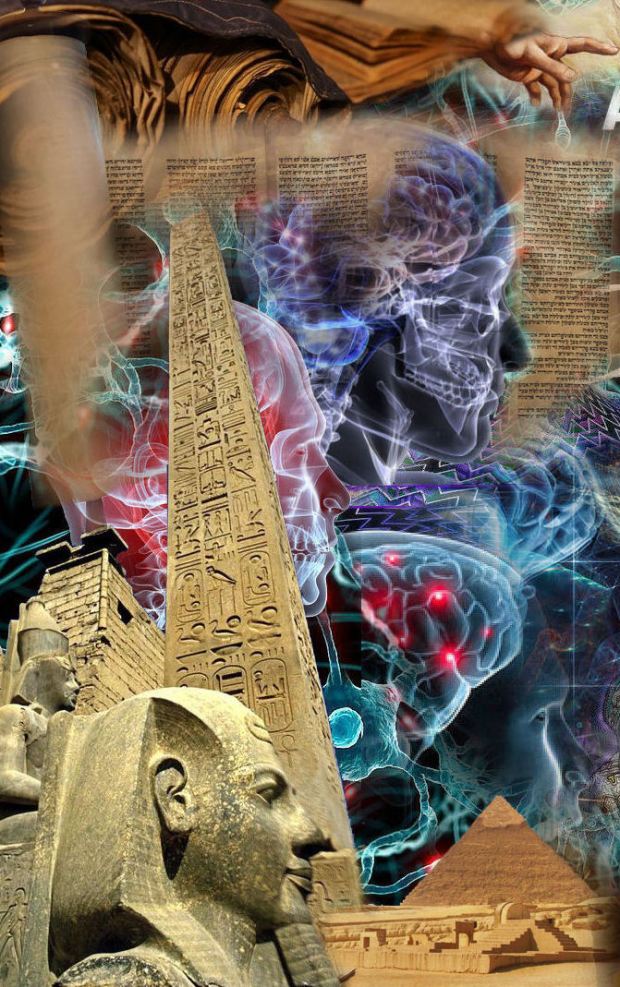
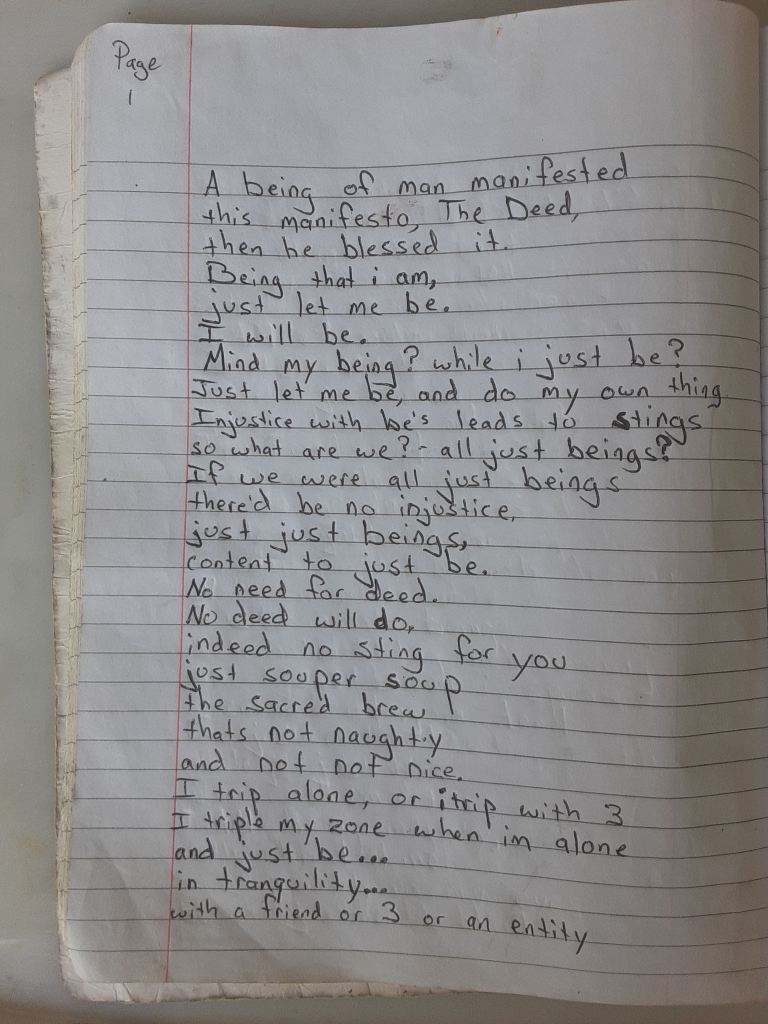
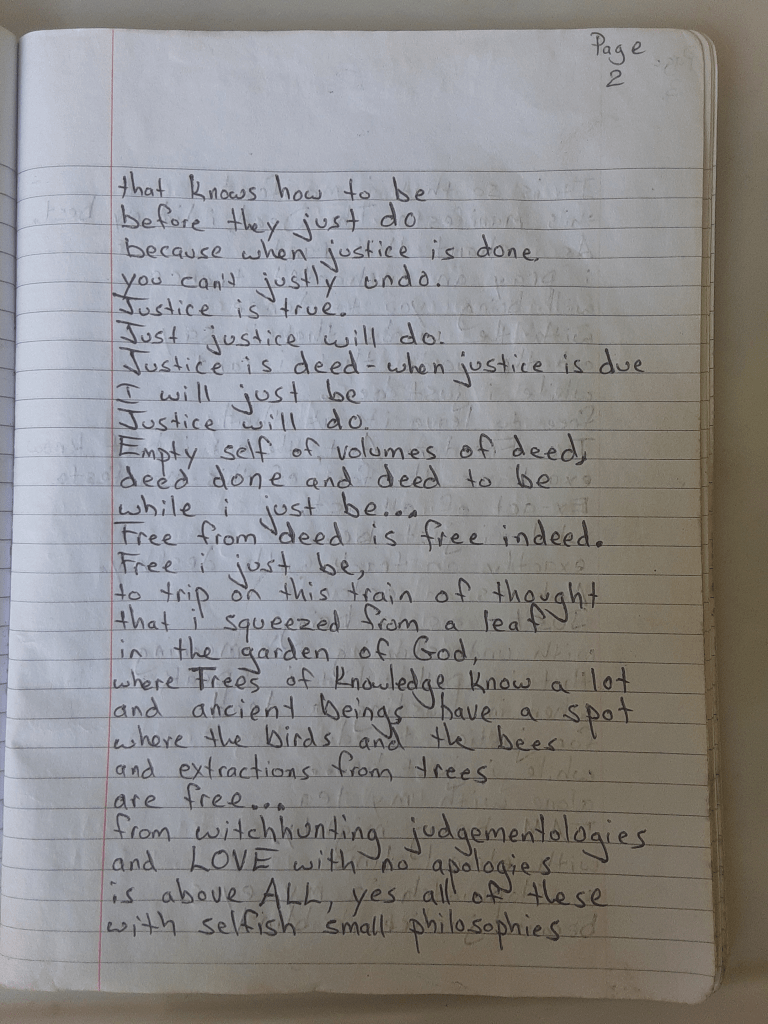
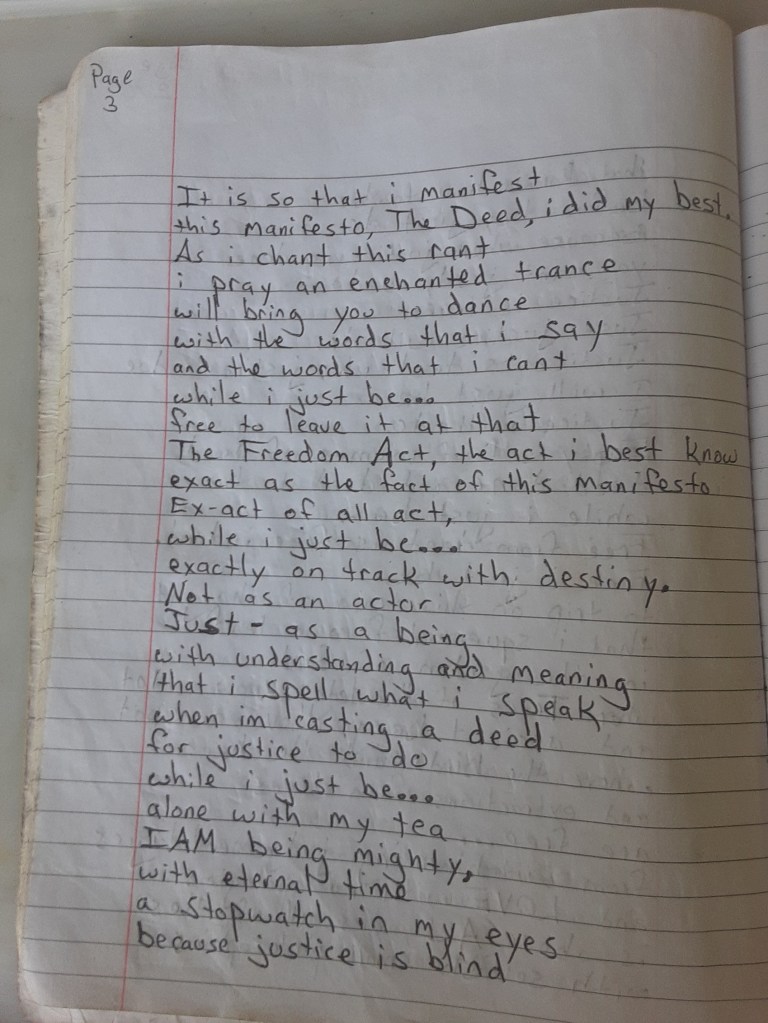
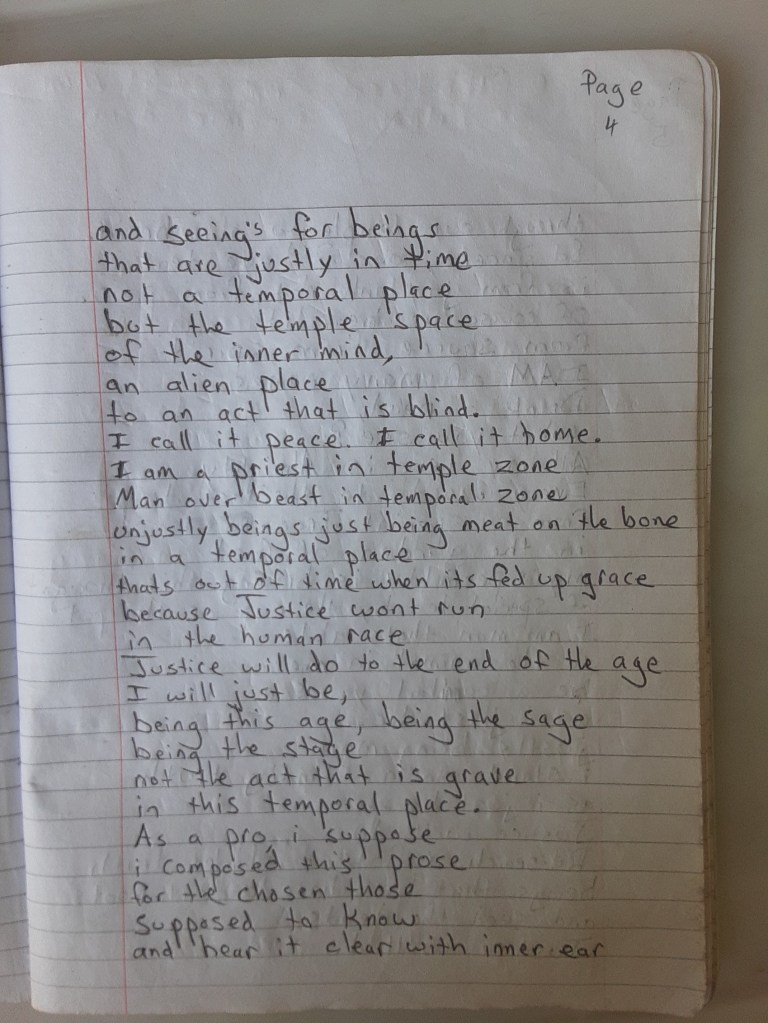
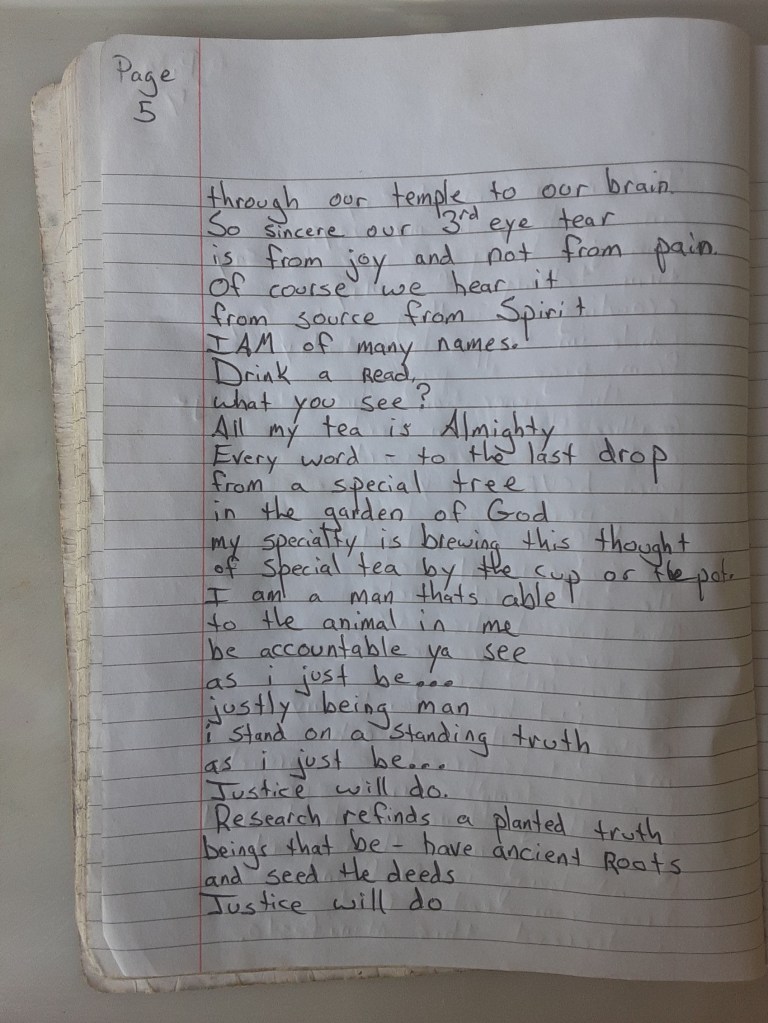
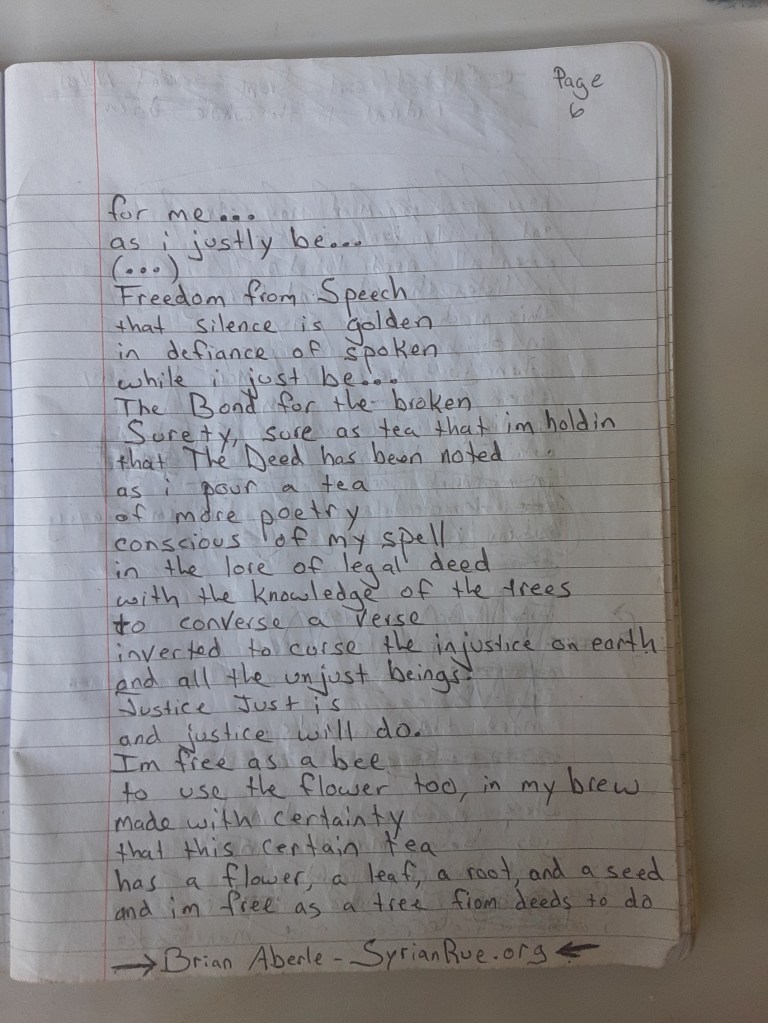
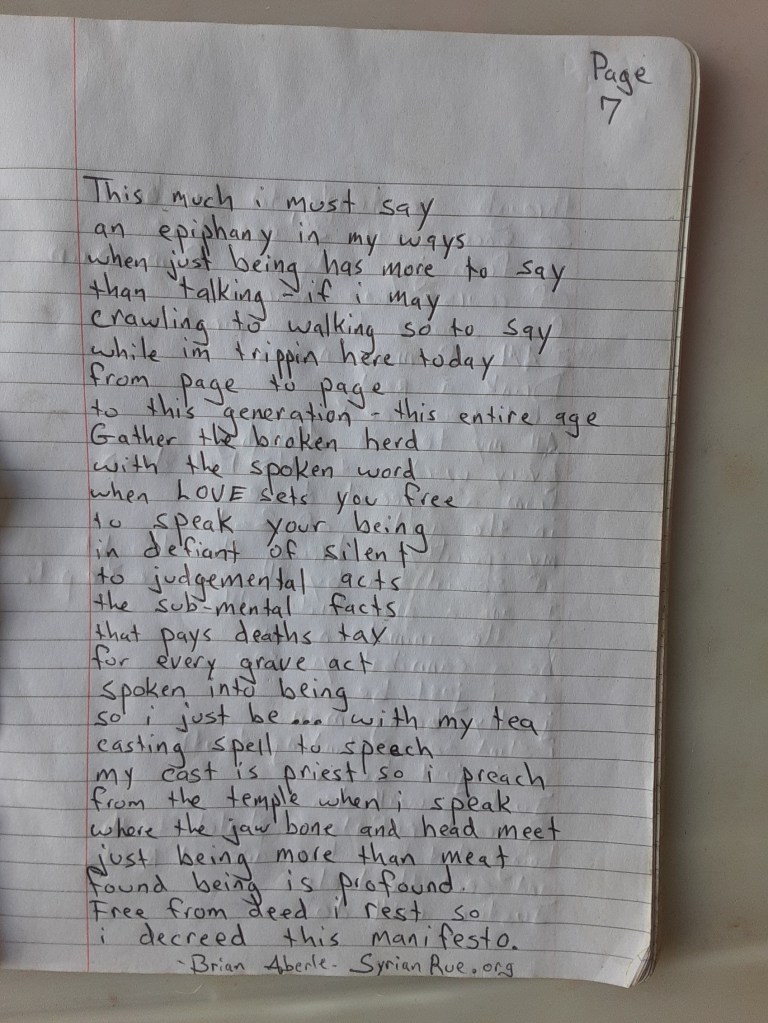
 Syrian Rue